Carport Prices

Carport Cost in Gauteng 2026

Carport costs in Gauteng for 2026 range from budget-friendly shade cloth options to premium steel structures. Pronet Shadeports & Carports Gauteng offers complete installation services across Johannesburg, Pretoria, Centurion, Sandton, and surrounding areas. Prices depend on material choice, carport size, design complexity, and specific site conditions. Standard single carports start at accessible price points, while double and triple carports scale accordingly. The company specialises in both residential and commercial installations, providing shade netting carports, cantilever designs, and IBR sheeting options that suit different budgets and property requirements.

Gauteng’s weather patterns make carports essential rather than optional. Hailstorms damage vehicles regularly during summer months. UV exposure fades paintwork within years. Pronet Shadeports & Carports Gauteng has completed installations throughout the province, understanding local soil conditions, wind loads, and municipal requirements that affect final costs.

Key Takeaways

  • Material selection drives pricing more than any other factor across Gauteng installations
  • Shade cloth carports offer the most affordable entry point for vehicle protection
  • IBR steel sheeting provides superior hail protection at higher cost
  • Double carports don’t simply double single carport prices due to shared structural elements
  • Site preparation can add significant costs on sloped or rocky terrain
  • Municipal approval requirements vary between Johannesburg, Pretoria, and smaller municipalities
  • Installation timeframes affect labour costs, with most projects completing within one to three days
  • Warranty coverage differs substantially between material types and suppliers

Carports Pretoria North

Pretoria North residents choose between shade cloth and steel options based on budget and protection needs. Carport pricing for Gauteng 2026 shows clear cost differences between material types. Properties in Pretoria North often have established gardens and driveways, requiring careful planning around existing structures. Soil conditions in this area generally support standard footing depths, keeping foundation costs predictable.

Shade cloth installations suit the area’s suburban character. These structures blend with residential aesthetics while providing UV protection rated between 70% and 90%. Steel carports gain preference for properties exposed to strong winds or where hail protection justifies higher investment. Pronet Shadeports & Carports Gauteng handles all aspects of installation, from initial site assessment through final inspection.

Pretoria North properties frequently request double carports for family vehicles. Column spacing affects structural requirements and therefore costs. Wider spans need heavier gauge steel for posts and beams. The company calculates loads according to SANS 10160 standards, ensuring structures withstand Gauteng’s weather extremes without compromising safety margins.

Carport Johannesburg

Johannesburg installations face unique challenges that influence pricing. Security concerns often lead property owners to specify additional features like integrated lighting or enclosed sides. Carport prices in Johannesburg reflect these customisation requests alongside standard structure costs. Northern suburbs typically have easier access for equipment, while southern areas may require manual handling that extends installation time.

Material delivery logistics affect Johannesburg quotes. Traffic congestion through the city centre means scheduling becomes crucial for containing costs. Pronet Shadeports & Carports Gauteng coordinates deliveries during off-peak hours when possible, reducing delays that would otherwise increase labour expenses. The company maintains relationships with local suppliers, ensuring material availability doesn’t cause project setbacks.

Commercial carport projects in Johannesburg demand different specifications than residential work. Shopping centres, office parks, and industrial facilities need structures that accommodate higher vehicle volumes and larger dimensions. Multiple-bay carports require engineering certificates for municipal approval. Pronet Shadeports & Carports Gauteng provides complete documentation, managing the approval process from submission through certification.

Understanding Material Choices

Material TypeLifespanMaintenanceWeather ResistanceCost Category
Shade Cloth8-12 yearsMinimalGood UV, moderate hailBudget
IBR Sheeting15-25 yearsLowExcellent all conditionsMid-range
Polycarbonate10-15 yearsModerateGood impact resistancePremium
Chromadek20-30 yearsVery lowSuperior corrosion resistancePremium

Shade cloth remains popular throughout Gauteng for straightforward vehicle protection. The fabric breathes, allowing airflow that prevents heat buildup underneath. Colour choices affect UV blocking percentages. Darker shades block more radiation but may retain heat. Shade netting carport prices in Pretoria demonstrate how colour selection impacts final quotes marginally compared to size changes.

IBR sheeting creates solid overhead cover. Rain runs off efficiently. Hail bounces rather than penetrating. These advantages justify the cost increase over shade cloth for many property owners. The material requires proper flashing installation where sheeting meets posts, preventing water ingress that could cause rust over time.

Carports Alberton

Alberton properties often sit on smaller stands than those in northern suburbs. Space constraints require creative design solutions. Cantilever carports maximise coverage while minimising ground-level obstruction. These designs cost more than standard post-supported structures due to enhanced engineering requirements. Pronet Shadeports & Carports Gauteng has experience with compact installations that satisfy tight spatial parameters.

Southern Gauteng soil composition varies significantly between properties. Some areas have clay content that shifts seasonally. Others encounter rock close to surface level. Foundation work adjusts according to ground conditions discovered during site assessment. Clay soils may need deeper footings with proper drainage. Rocky terrain might require specialised drilling equipment, adding costs that standard quotes don’t anticipate.

Carport installation near me searches from Alberton frequently prioritise quick turnaround times. Families need vehicle protection before seasonal weather changes. Pronet Shadeports & Carports Gauteng maintains installation crews throughout the southern suburbs, reducing travel time that would otherwise extend project schedules and inflate costs through additional labour hours.

Carports Pretoria

Pretoria’s diverse suburbs each present distinct installation contexts. Waterkloof properties feature sloped driveways that require levelling considerations. Centurion developments often have architectural guidelines that influence design choices. Montana residents may prioritise security features due to area-specific concerns. Carport prices in Pretoria account for these variations through customised quotes rather than standardised pricing.

Pretoria East installations frequently involve existing paving that owners want preserved. Pronet Shadeports & Carports Gauteng uses techniques that minimise paving disturbance during foundation work. Core drilling creates precise holes for posts without cracking surrounding concrete. This approach adds minor costs compared to excavation methods that damage paving requiring expensive repairs afterward.

Pretoria West properties sometimes need Heritage Council approval for visible structures. Older suburbs have architectural conservation requirements. The company navigates these approval processes, ensuring designs meet conservation guidelines while still providing effective vehicle protection. Documentation preparation and submission fees become part of project costs in heritage areas.

Carport Cost in Gauteng 2026

Size and Configuration Impact

Single carports suit properties with one vehicle or space for only one covered bay. Standard dimensions accommodate sedans and small SUVs comfortably. Double carports fit two vehicles side-by-side, sharing central support posts that reduce per-vehicle costs compared to installing two separate single carports. Triple configurations work for families with multiple vehicles or properties that need additional covered parking.

Column placement affects usability and price. Four-post designs provide maximum stability at lowest cost. Cantilever styles eliminate posts on one side, creating easier vehicle access but requiring stronger structural members. Full cantilever designs without any front posts cost the most due to substantial beam requirements that resist leverage forces without forward support.

Size Comparison

Configuration Dimensions Vehicle Capacity Post Count
Single 3m x 5.5m 1 vehicle 4 posts
Double 6m x 5.5m 2 vehicles 6 posts
Triple 9m x 5.5m 3 vehicles 8 posts

Height clearance matters for larger vehicles. Standard carports clear most sedans and SUVs easily. Bakkies with canopies, caravans, or boats on trailers need increased height specifications. Taller structures use longer posts and adjusted beam angles, increasing material costs proportionally. Pronet Shadeports & Carports Gauteng measures vehicle heights during site visits, ensuring adequate clearance without over-engineering unnecessary height that wastes materials.

Installation Process and Timeline

Site preparation begins with marking post positions according to approved plans. Holes get dug to specified depths based on soil assessment and structural calculations. Gauteng’s rocky areas might need pneumatic drilling rather than hand excavation. Clay regions require foundation depths that extend below frost lines despite Gauteng’s temperate climate, preventing seasonal movement.

Concrete footings cure for minimum periods before posts can be attached. Rushed installation risks structural failure later. Pronet Shadeports & Carports Gauteng follows proper curing schedules, ensuring foundations reach adequate strength before bearing loads. Weather affects curing times. Rain delays concrete work. Extreme heat requires moisture retention measures that prevent cracking.

Framework assembly proceeds once footings are ready. Posts get secured vertically with temporary bracing. Beams connect posts at prescribed heights. Purlins run perpendicular to beams, creating the structure that supports roofing material. All connections use appropriate fixings rated for structural loads. Pronet Shadeports & Carports Gauteng doesn’t cut corners with inferior hardware that could fail under stress.

Additional Cost Factors

Electrical work adds to base carport costs. Lighting improves security and usability. Some installations include power points for vehicle charging or equipment use. Licensed electricians handle all electrical connections, ensuring compliance with South African wiring regulations. Pronet Shadeports & Carports Gauteng coordinates electrical contractors when projects require integrated power.

Guttering captures rainwater runoff rather than allowing it to pour off carport edges. This feature particularly benefits properties with paved areas where water pooling creates problems. Downpipes direct water to drainage systems or collection tanks. Guttering material matches carport aesthetics. Installation requires careful alignment for effective water flow without backups during heavy storms.

Finishes affect longevity and appearance. Powder coating protects steel against corrosion better than standard paint. Colour choices range from standard options to custom matches for specific property aesthetics. Galvanised steel provides baseline corrosion resistance. Hot-dip galvanising offers superior protection in harsh environments. Each finish level carries different pricing implications.

Municipal Regulations and Compliance

Carport prices include structural design but may not cover municipal submission fees separately. Johannesburg requires building plans for most permanent structures. Pretoria has different thresholds based on structure size and property zoning. Some municipalities charge per square metre for plan approval. Others use flat fees regardless of project size.

Boundary setbacks determine where carports can be positioned legally. Most residential properties need structures at least one metre from boundary lines. Some areas require greater distances. Encroaching on setbacks can result in demolition orders even after construction completes. Pronet Shadeports & Carports Gauteng verifies setback requirements before finalising designs.

Wind load calculations form part of structural certification. Gauteng experiences strong thunderstorm winds during summer months. Carports must withstand specified wind speeds without collapsing. Engineering certificates confirm designs meet safety standards. These documents become part of municipal submissions, demonstrating compliance with building regulations.

Maintenance and Long-Term Costs

Shade cloth eventually degrades under UV exposure. Fabric loses tensile strength over years. Tears may develop along seams or attachment points. Replacement becomes necessary when degradation compromises structural integrity or aesthetics. Planning for eventual replacement helps property owners budget appropriately beyond initial installation costs.

Steel components need periodic inspection for corrosion. Coastal regions face more aggressive corrosion than inland areas, but Gauteng’s summer humidity still challenges protective finishes. Touch-up painting prevents rust from spreading. Bolted connections should be checked for looseness that could develop through thermal expansion and contraction cycles.

IBR sheeting lasts decades with minimal maintenance. Occasional cleaning removes debris that could trap moisture. Fastening screws might need retightening after several years. Rubber washers on screws degrade slowly, potentially allowing water ingress. Pronet Shadeports & Carports Gauteng provides maintenance guidance with each installation, helping owners maximise structure lifespan through proper care.

Frequently Asked Questions

How long does carport installation take in Gauteng?

Standard single or double carports install within one to three days. Complex designs or difficult site conditions extend timelines. Foundation curing adds waiting time between concrete pouring and framework assembly. Weather delays affect scheduling unpredictably.

Do carports require building plans in all Gauteng municipalities?

Requirements vary by municipality and structure size. Johannesburg typically requires plans for permanent structures. Some smaller municipalities have exemption thresholds. Pronet Shadeports & Carports Gauteng confirms requirements for each project location.

What material provides best value for Gauteng conditions?

Shade cloth offers lowest initial cost with adequate protection for many situations. IBR sheeting justifies higher expense through superior hail resistance and longevity. Choice depends on individual priorities between upfront cost and long-term durability.

Can existing driveways be used for carport foundations?

Proper foundations require footings below ground level for structural stability. Surface-mounted options exist but compromise strength. Pronet Shadeports & Carports Gauteng assesses existing paving, determining whether modifications can preserve most surface area.

How do carport costs compare between Johannesburg and Pretoria?

Base material and labour costs stay similar across Gauteng. Site-specific factors create differences. Travel distance, access difficulty, and soil conditions influence final quotes more than municipal location alone.

What warranty coverage comes with carport installations?

Structural warranties typically cover workmanship for defined periods. Material warranties come from manufacturers rather than installers. Pronet Shadeports & Carports Gauteng provides clear warranty documentation explaining coverage terms and exclusions.

Do carports increase property value?

Covered parking appeals to buyers in areas where vehicle protection matters. Property value increases depend on overall market conditions and specific installation quality. Well-designed carports that match property aesthetics contribute positively to perceived value.

Can carports be relocated if moving house?

Permanent installations using concrete footings can’t be relocated practically. Some temporary shade cloth structures allow dismantling and reinstallation elsewhere. Most property owners treat carports as permanent improvements rather than moveable assets.

Carport Pricing for Gauteng 2026

Carport pricing in Gauteng for 2026 starts at approximately R8,500 for basic single-vehicle shade cloth installations and can reach R45,000 for premium double steel structures. Material selection, installation complexity, ground preparation requirements, and your specific location across Gauteng determine the final cost. Most residential projects fall between R12,000 and R32,000.

Pronet Shadeports & Carports Gauteng manufactures and installs shade cloth carports, steel carports, cantilever structures, and waterproof shadeport systems for homes and businesses throughout Johannesburg, Pretoria, Sandton, Centurion, Midrand, and surrounding Gauteng municipalities.

Key Takeaways

Cost ElementPrice Range
Single shade cloth carportR8,500 – R16,000
Double shade cloth carportR16,500 – R26,000
Single steel carportR19,000 – R29,000
Double steel carportR33,000 – R45,000
Installation duration1-3 days
Shade cloth lifespan10-15 years
Steel structure lifespan20-30 years
Foundation adjustmentsR800 – R3,500 extra

Material Selection Changes Everything

Shade cloth costs less upfront but needs replacement sooner. Steel structures require larger initial investment but outlast shade alternatives by years.

Shade cloth variations:

  • Standard 80% shadecloth: R8,500 – R15,500 single bay
  • Premium 95% shadecloth: R11,000 – R18,000 single bay
  • Waterproof PVC membrane: R13,000 – R20,500 single bay

Steel roofing variations:

  • IBR corrugated sheeting: R19,000 – R29,000 single bay
  • Chromadek coated sheets: R23,000 – R33,500 single bay
  • Polycarbonate transparent panels: R25,000 – R36,000 single bay

Shade cloth blocks UV radiation brilliantly. Steel withstands hail storms better. Your property’s exposure to weather determines which material makes sense. Some Gauteng properties face west, catching afternoon hail. Others sit protected between buildings. Shade netting carports in Pretoria work differently across different locations.

Size Determines Base Pricing

Single carports cover one vehicle. Double carports protect two vehicles parked side by side. Triple configurations exist for larger families.

Carport SizeShade Cloth CostSteel Cost
Single (3m x 5m)R8,500 – R16,000R19,000 – R29,000
Double (6m x 5m)R16,500 – R26,000R33,000 – R45,000
Triple (9m x 5m)R25,000 – R39,000R50,000 – R72,000

Doubling the size doesn’t double the price. Shared posts, combined foundations, and bulk material usage reduce per-vehicle costs. Three-car families often choose double structures even owning two vehicles because covered workspace proves valuable.

Custom dimensions cost more than standard sizes. A 3.5m x 6m structure needs custom-cut materials and adjusted engineering calculations. Standard measurements use readily available components. Pronet Shadeports & Carports Gauteng stocks common sizes but manufactures any dimension clients need.

Carport Pricing for Gauteng 2026

Gauteng Location Influences Installation Pricing

Pretoria east properties typically see different pricing than Johannesburg south. Distance from suppliers, access challenges, and regional demand patterns shift costs.

Standard pricing locations:

  • Centurion central
  • Midrand business parks
  • Pretoria suburbs
  • Sandton residential areas
  • Randburg neighbourhoods

Locations adding R600-R1,800:

  • Hartbeespoort Dam area
  • Cullinan farming areas
  • Remote smallholdings
  • Gated estates with access restrictions
  • Areas beyond 40km from Pretoria/Johannesburg centres

Travel time from material yards matters. Projects in Bronkhorstspruit cost more than Centurion installations because teams spend hours travelling. Fuel, vehicle wear, and time all factor into regional pricing differences. Steel carport prices in Pretoria reflect local logistics realities.

Ground Conditions Change Foundation Work

Rocky Pretoria ridges need different foundation approaches than sandy Johannesburg suburbs. Clay soil requires deeper footings than stable ground. Each soil type demands specific preparation.

Foundation cost variations:

  • Standard soil conditions: Included in quoted price
  • Rocky ground requiring drilling: R900 – R2,400 additional
  • Clay soil needing deep footings: R600 – R1,400 additional
  • Sloped terrain needing levelling: R1,200 – R3,800 additional
  • Existing paving removal: R700 – R2,000 additional

Some driveways have interlocking pavers. Others feature concrete slabs. A few remain bare earth. Each surface type affects installation differently. Breaking through concrete adds labour hours. Removing pavers requires careful work to avoid damage. Bare earth allows straightforward post-setting.

Gauteng properties built on former mine dumps present unique challenges. These areas contain rocks, rubble, and unstable fill. Foundations need extra depth and reinforcement. Pronet Shadeports & Carports Gauteng assesses ground conditions during site visits to provide accurate quotes.

How Much Does a Carport Cost in South Africa?

Carport costs across South Africa range from R7,000 to R52,000 depending on province, materials chosen, and structure size. Gauteng pricing falls mid-range nationally. Coastal provinces charge more because wind ratings increase and salt-resistant components become necessary.

Western Cape installations need cyclone-rated structures. KwaZulu-Natal coastal properties require marine-grade fixings. Gauteng enjoys straightforward requirements. The province’s inland position means standard materials perform well without special treatments.

National pricing comparison for double shade cloth carports:

  • Gauteng: R16,500 – R26,000
  • Western Cape: R20,000 – R29,500
  • KwaZulu-Natal: R18,000 – R27,500
  • Eastern Cape: R15,500 – R23,000
  • Free State: R14,500 – R21,500

Multiple suppliers operate throughout Johannesburg and Pretoria. Competition keeps pricing competitive. Rural provinces with fewer installers sometimes see higher costs despite lower labour rates. Carport prices in Johannesburg benefit from this competitive market.

Municipal Permits and Approval Processes

Gauteng municipalities allow most carports without formal building plans. Structures under 50 square metres typically proceed without paperwork. Larger installations need municipal approval.

Approval requirements:

  • Structures under 50m²: Usually no plans required
  • Structures over 50m²: Building plans needed (R2,800 – R5,000)
  • Body corporate properties: Architectural approval mandatory
  • Heritage declared areas: Additional approvals (R3,500 – R6,500)

Johannesburg’s online submission system processes applications faster than Pretoria’s partly manual system. Johannesburg approvals take two to four weeks. Pretoria applications take three to seven weeks depending on queue length.

Estate living adds complexity. Architectural review boards scrutinise designs before installation. Submit detailed drawings showing materials, colours, dimensions, and exact positioning. Review processes take one to five weeks depending on meeting schedules. Some estates require specific colours matching existing structures. Carport prices in Pretoria include guidance on local authority requirements.

How Expensive Is It to Build a Carport?

Building carports yourself reduces costs by 35-45% but demands specific skills and proper equipment. DIY kits range from R5,800 to R19,000 depending on size and materials. Professional installation adds R3,200 to R9,000 for labour, concrete work, and expertise.

DIY challenges include:

  • Post alignment affecting structural integrity
  • Concrete mix ratios determining strength
  • Roof pitch controlling water drainage
  • Wind resistance depending on proper anchoring
  • Height calculations affecting vehicle clearance

Most property owners choose professional installation. Time savings, warranty protection, and quality assurance justify cost differences. Poorly installed carports develop problems within six months. Sagging roofs, leaning posts, and water pooling signal amateur installation. Professional teams complete standard projects in one to three days.

Pronet Shadeports & Carports Gauteng handles complete installations from start to finish. Site assessment identifies challenges before work begins. Material delivery happens on installation day. Foundation preparation, structure assembly, and site cleanup all happen in sequence. This turnkey approach removes stress from property owners.

Additional Features Increase Functionality

Basic carports provide weather protection. Extra features add convenience and protection.

Common upgrades and costs:

  • LED lighting systems: R850 – R1,600
  • Side wind panels: R2,400 – R4,800 per side
  • Gutter systems with downpipes: R1,300 – R2,700
  • Automated gate integration: R3,800 – R7,500
  • Custom powder coat colours: R1,600 – R3,200
  • Extra height for 4×4 vehicles: R1,300 – R2,400

Side panels transform carports into semi-enclosed spaces. They block wind, reduce rain penetration, and add privacy. West-facing carports benefit most because Gauteng’s prevailing winds blow from that direction during summer storms.

Gutters extend structure lifespan. Water flowing off roofs without gutters creates puddles near foundations. Constant moisture weakens soil and corrodes metal components. Gutters direct water away from critical areas. Some homeowners connect gutter downpipes to rainwater tanks, creating useful water storage.

Cantilever Designs Suit Tight Spaces

Cantilever carports attach to existing walls without forward support posts. They cost 18-28% more than freestanding structures but work perfectly where ground space limitations exist.

Cantilever pricing:

  • Single cantilever (3m x 5m): R15,500 – R23,500
  • Double cantilever (6m x 5m): R28,000 – R40,000

These designs require strong mounting walls. Existing walls must support cantilevered loads. Not every property suits cantilever installation. Solid brick walls handle loads better than face brick. Double-storey buildings provide stronger mounting points than single-storey structures.

Townhouse developments frequently use cantilever carports. Limited driveway frontage makes freestanding structures impractical. Cantilevers extend from garage walls, protecting vehicles without consuming garden space. Some body corporates prefer cantilevers because they maintain consistent street aesthetics. General carport pricing information covers various design options.

How Much Would It Cost to Have a Carport Built?

Professional carport construction costs between R12,500 and R46,000 for typical Gauteng residential properties. This includes materials, labour, foundation work, and standard installation. Final amounts depend on material choices, size requirements, and site-specific conditions.

Typical project investment:

  • Budget shade cloth single: R12,500 – R16,000
  • Mid-range shade cloth double: R19,000 – R26,000
  • Premium steel double: R36,000 – R46,000

Professional installation covers site preparation, accurate measurements, proper foundation depth, level structure alignment, and warranty coverage. Installers handle unexpected challenges like discovering rocks or dealing with uneven ground without requesting additional payments in most situations.

Pronet Shadeports & Carports Gauteng provides comprehensive quotes after site inspections. Quotes include everything needed for complete installation. Hidden costs don’t appear later unless clients request specification changes during installation.

Maintenance Requirements Over Years

Shade cloth carports need periodic maintenance. Steel structures require less frequent attention but different care.

Maintenance timeline:

  • Shade cloth tension checks: Annual (DIY or R550 professional)
  • Steel sheet inspections: Annual visual checks
  • Post repainting cycle: Every 6-8 years (R2,800 – R5,000)
  • Shade cloth replacement: After 12-16 years (R4,500 – R8,500)
  • Steel sheet replacement if damaged: R3,800 – R7,500

Regular cleaning extends lifespan significantly. Hosing shade cloth twice yearly removes accumulated dust and organic matter. Checking connection bolts takes minutes but prevents structural problems. Small maintenance tasks handled promptly cost less than major repairs delayed until problems worsen.

Gauteng’s climate helps structures last. Limited coastal corrosion and moderate weather patterns mean carports reach their maximum potential lifespan. Summer hail causes most damage. Inspecting structures after severe storms identifies problems early.

Carports Versus Full Garages

Full garages cost R90,000 to R185,000 to construct in Gauteng. Carports deliver substantial protection at 12-22% of garage construction costs.

FeatureCarportFull Garage
Vehicle protection levelUV, rain, hailComplete enclosure
Construction costR8,500 – R45,000R90,000 – R185,000
Installation timeframe1-3 days8-14 weeks
Municipal permitsUsually exemptAlways required
Property value increaseModerate boostSubstantial boost
Relocation possibilityRelatively easyPermanent fixture

Garages provide storage space and complete security. Carports offer weather protection quickly and affordably. Many Gauteng property owners install carports immediately, planning garage construction for later years when budgets permit.

Cluster homes and townhouses often cannot add garages because boundary restrictions and body corporate rules prevent additional building work. Carports become the practical solution. They add covered parking without consuming limited outdoor space or requiring extensive construction.

Financing Carport Installation

Payment options vary between installers. Some offer structured payment plans. Banks provide home improvement loans for larger projects.

Common payment structures:

  • Full cash payment (sometimes includes 6-12% discount)
  • Deposit plus completion payment
  • Home improvement loan (12-60 month terms available)
  • Credit arrangements for projects under R30,000
  • Staged payments for large commercial projects

Pronet Shadeports & Carports Gauteng accepts multiple payment methods. Discussing financial arrangements during quotation helps clients plan properly. Most residential clients pay 50% deposit securing installation dates, then settle remaining balance after completion and inspection.

Home improvement loans through major banks offer reasonable interest rates. Financing a R22,000 carport over 24 months costs approximately R1,050 monthly at typical lending rates. This makes quality vehicle protection accessible without requiring large upfront cash outlays.

Insurance Coverage Considerations

Home insurance policies usually cover carports once installed. Checking policy details before installation prevents coverage gaps.

Insurance factors:

  • Carports increase insured property value (notify insurer)
  • Storm damage typically falls under building cover
  • Inadequate coverage creates financial risk
  • Professional installation may influence claim acceptance
  • Installation certificates help claims processing

Contact insurers before starting installation. They need notification about property improvements. This ensures proper coverage levels and prevents claim rejection later. Some insurance companies require professional installation for structural additions. DIY projects sometimes face claim scrutiny.

Gauteng’s summer thunderstorms occasionally damage outdoor structures. Proper insurance coverage provides financial protection. Professional installation with guarantees gives insurers confidence in structure quality and proper construction methods.

Seasonal Demand Patterns

Carport pricing remains relatively stable throughout the year. Installation availability fluctuates based on seasonal demand.

Demand patterns:

  • September-November: High demand, book weeks ahead
  • December-January: Installer holidays reduce availability
  • February-April: Good availability, faster scheduling
  • May-August: Slower period, flexible scheduling

Booking during quieter winter months sometimes secures faster installation dates. Pricing doesn’t typically decrease, but scheduling flexibility improves substantially. Gauteng’s mild winter weather allows year-round installation without complications.

Many homeowners schedule installation for September before the rainy season begins. This creates booking competition for available installation slots. Planning projects two to three months ahead secures preferred dates without rushed decision-making. Visit Pronet Shadeports & Carports Gauteng for current scheduling and availability information.

Frequently Asked Questions

What influences carport pricing most significantly?

Size and material selection drive pricing more than other factors combined. A double steel carport costs four times more than a single shade cloth structure. Ground conditions add R800 to R3,800 for rocky soil or sloped terrain requiring extra preparation work. Location within Gauteng affects pricing by R600 to R1,800 for remote properties beyond major centres.

How long do carports last in Gauteng conditions?

Shade cloth carports last 10-15 years with regular maintenance. Steel structures last 20-30 years or longer. Gauteng‘s inland climate suits both materials well. Regular cleaning and minor maintenance significantly extends lifespan. Professional installation ensures structures reach their designed service life without premature failures.

Can property owners install carports themselves?

DIY installation reduces costs by 35-45% but requires specific skills and equipment. Post alignment, concrete mixing, and roof pitch calculations need precision. Most homeowners choose professional installation for warranty coverage, installation speed, and quality assurance. DIY mistakes often cost more to correct than professional installation costs initially.

Do carports need municipal approval?

Most Gauteng properties don’t require building plans for carports under 50 square metres. Larger structures need municipal submission and approval. Body corporate estates require architectural committee approval regardless of size. Heritage areas may have additional approval requirements. Check local municipality requirements before starting any project.

Which material suits Gauteng weather best?

Both shade cloth and steel perform well in Gauteng’s climate. Shade cloth provides excellent UV protection and natural ventilation. Steel offers superior hail protection and extended lifespan. Budget, aesthetic preferences, and specific protection needs determine optimal material choice. Pronet Shadeports & Carports Gauteng explains material differences during consultations.

How fast can carports be installed?

Standard installations complete within one to three days from foundation work through final cleanup. This includes concrete setting time. Custom designs or challenging ground conditions may extend timeframes. Weather delays occasionally affect scheduling. Most projects finish faster than clients expect.

Will carports increase property value?

Carports moderately increase property value and buyer appeal. They add functional covered parking, which most buyers value. Value increase typically ranges from R18,000 to R38,000 depending on structure quality, size, and materials used. Professional installation with warranties provides better returns than DIY projects when selling properties.

Shade Netting Carports Prices in Pretoria

Shade netting carports in Pretoria typically range from budget-friendly options starting around entry-level pricing for single vehicles to premium installations for multiple cars. Pronet Shadeports & Carports Gauteng supplies and installs various shade netting solutions across Pretoria, including single, double, and triple carport configurations with different netting grades and structural specifications. The final price depends on size, material quality, installation complexity, and specific site requirements.

Pretoria’s intense summer sun makes shade netting carports essential rather than optional. These structures protect vehicles from UV damage, reduce interior temperatures by up to 15 degrees, and extend your car’s paintwork lifespan. Unlike solid roof alternatives, shade netting allows air circulation whilst blocking harmful sun rays.

Key Takeaways

  • Standard single carports use 80% shade cloth with galvanised steel frames
  • Price variables include netting density, pole thickness, and foundation type
  • Installation timeframes span 1-3 days depending on structure complexity
  • Pronet Shadeports & Carports Gauteng offers complete solutions from design through installation
  • Material grades affect longevity and weather resistance significantly
  • Site preparation impacts total project costs
  • Pretoria regulations may require compliance certificates for certain installations

Understanding Shade Netting Carports Construction

The basic structure consists of vertical support poles, horizontal beams, and tensioned shade cloth. Pronet Shadeports & Carports Gauteng uses hot-dip galvanised steel poles that resist rust in Pretoria’s variable climate. Standard configurations include 76mm diameter poles for single carports and 114mm poles for larger structures.

Foundation choices matter. Concrete footings provide maximum stability but increase costs. Bolt-down plates work on existing paved surfaces. Your soil type determines which foundation suits your property. Clay-rich Pretoria soil often needs deeper footings than sandy areas.

Common pole spacing measurements:

Carport SizeFront-to-Back DistanceSide-to-Side Spacing
Single5.0m2.7m
Double5.0m5.4m
Triple5.0m8.1m

Shade cloth comes in different densities. An 80% shade factor blocks most UV radiation whilst allowing air movement. Higher percentages create more shade but reduce airflow. Lower percentages let more light through but offer less protection.

Shade Netting Carports Prices in Pretoria

Material Quality and Longevity Factors

Premium HDPE (high-density polyethylene) shade cloth outlasts cheaper alternatives by years. UV-stabilised netting resists degradation from Pretoria’s harsh sun. Pronet Shadeports & Carports Gauteng stocks various grades to match different budgets and requirements.

Steel thickness directly impacts structural integrity. Thicker gauge poles handle wind loads better. Pretoria experiences occasional strong winds that test inferior installations. Specifications matter when comparing quotes from different suppliers.

Galvanisation quality varies between manufacturers. Hot-dip galvanising provides superior corrosion resistance compared to electroplating. The zinc coating thickness determines how long your frame stays rust-free. Steel carport alternatives offer different benefits for specific applications.

Fasteners and connection points need equal attention. Stainless steel bolts prevent rust staining on shade cloth. Proper tensioning hardware maintains cloth tightness over years. Cheap fittings fail first, compromising the entire structure.

Size Configurations and Space Requirements

Single carports suit most sedan vehicles comfortably. Standard dimensions measure 5 metres long by 2.7 metres wide. Height typically reaches 2.4 to 3 metres at the lowest point. SUVs and bakkies need taller clearance specifications.

Double carports accommodate two vehicles side-by-side. Width doubles to approximately 5.4 metres whilst maintaining similar length. Families with multiple cars find these configurations practical. Pronet Shadeports & Carports Gauteng customises dimensions to fit available space.

Triple and quad carports extend the concept further. These larger structures require additional support poles and stronger foundations. Commercial properties and apartment complexes commonly install these multi-bay solutions.

Space planning considerations:

  • Door clearance for vehicle access
  • Walking space between parked cars
  • Drainage patterns around the structure
  • Overhead clearance for roof racks
  • Future vehicle size changes

Cantilever designs eliminate poles on one side. This creates easier access but costs more due to structural requirements. Single-side support works well against boundary walls where space is limited.

Installation Process and Timeline Expectations

Site assessment comes first. Pronet Shadeports & Carports Gauteng evaluates ground conditions, measures available space, and identifies potential obstacles. Underground utilities need location before digging foundations. Council regulations sometimes require building plans for permanent structures.

Foundation installation takes one day for standard projects. Concrete needs 24-48 hours curing time before continuing. Steel frame erection follows once footings have set. Pole plumbing ensures vertical alignment that prevents future structural issues.

Shade cloth installation completes the project. Tensioning requires expertise to achieve proper tightness without overstressing the material. Incorrect tension causes premature failure. Professional installation services ensure quality results that last.

Weather affects scheduling. Rain delays concrete work. Strong winds make shade cloth installation dangerous. Pretoria’s dry winter months offer ideal installation conditions. Summer thunderstorms can cause project delays.

Comparing Pretoria Pricing Across Different Suppliers

Market research reveals significant price variations. Budget suppliers cut corners on material quality or installation standards. Premium providers like Pronet Shadeports & Carports Gauteng deliver comprehensive solutions with proper warranties.

Quote comparisons need careful analysis. Some suppliers exclude foundation work from advertised prices. Others skip compliance certificates or council fees. Understanding what each quote includes prevents surprise costs later.

Price factors that vary between quotes:

  • Shade cloth grade and warranty period
  • Steel thickness and galvanising quality
  • Foundation type and depth
  • Installation labour costs
  • Travel fees for distant locations
  • Compliance documentation
  • Post-installation maintenance plans

Geographic location within Pretoria affects pricing slightly. Remote suburbs may incur higher transport costs. Established areas with easier access typically see lower installation fees. Johannesburg pricing comparisons show similar patterns across Gauteng.

Bulk installations reduce per-unit costs. Residential estates negotiating multiple carports simultaneously receive better rates. Commercial clients benefit from volume pricing that individual homeowners cannot access.

Maintenance Requirements and Long-Term Costs

Regular cleaning extends shade cloth lifespan. Dust and debris accumulate on netting surfaces. Annual washing with mild detergent and water removes contaminants. Avoid high-pressure washers that damage fibres.

Structural inspections catch problems early. Check bolt tightness every six months. Pretoria’s temperature swings cause metal expansion and contraction. Loose connections compromise stability during storms.

Annual maintenance checklist:

  • Inspect shade cloth for tears or fraying
  • Tighten all bolts and connections
  • Check pole verticality with spirit level
  • Examine foundations for cracks or movement
  • Clean accumulated dirt and organic matter
  • Trim overhanging tree branches
  • Touch up any paint chips on coated steel

Pronet Shadeports & Carports Gauteng offers maintenance contracts for commercial installations. Scheduled service visits prevent small issues becoming expensive repairs. Residential clients can perform basic maintenance themselves with simple tools.

Shade cloth replacement becomes necessary after years of service. Quality materials last longer but eventually degrade. Replacement costs less than initial installation because the frame remains serviceable. Planning for eventual replacement helps budget long-term ownership costs.

How Long Does Shade Netting Last?

Quality shade netting typically lasts 8 to 12 years in Pretoria’s climate. Premium UV-stabilised HDPE materials can reach 15 years with proper maintenance. Cheaper alternatives may fail within 5 years. The manufacturing process, UV stabilisation quality, and installation tension all affect longevity.

Environmental factors accelerate wear. Trees dropping sap or leaves cause localised damage. Bird droppings contain acids that degrade fibres over time. Industrial areas with airborne pollutants see faster deterioration than residential suburbs.

Pronet Shadeports & Carports Gauteng uses only manufacturer-certified shade cloth with documented UV stability ratings. Warranty periods reflect expected lifespan. Material specifications include UV additive percentages that determine fade resistance and structural integrity maintenance.

Visible signs indicate replacement needs. Significant fading from original colour suggests UV protection has degraded. Thinning areas where light passes through more easily show fibre breakdown. Tears that continue spreading despite repairs signal material fatigue. Proper tensioning becomes impossible when cloth has stretched permanently.

How Much Does a Shadeport Cost?

Single vehicle shadeports start at competitive entry-level pricing for basic specifications. Double configurations cost approximately 1.6 to 1.8 times single unit prices. Triple bays range higher depending on structural requirements. These figures represent supply and installation for standard specifications.

Multiple variables affect final invoicing. Premium shade cloth grades add to base costs. Thicker steel poles increase material expenses. Complex sites requiring extensive foundation work or difficult access raise installation fees. Complete Pretoria pricing breakdowns detail these variables comprehensively.

Pronet Shadeports & Carports Gauteng provides detailed quotations specifying every cost component. Transparent pricing eliminates surprise expenses during installation. Payment terms typically require deposits upfront with balance due upon completion.

Financing options exist for larger projects. Some suppliers offer payment plans spreading costs over several months. Home improvement loans through banks provide another funding avenue. Cash payments sometimes attract modest discounts.

How to Secure Shade Netting?

Proper tensioning prevents wind damage and premature wear. Shade cloth must be taut without overstretching. Pronet Shadeports & Carports Gauteng uses specialised tensioning tools achieving correct tightness. Manual installation rarely achieves optimal results.

Edge fixing methods include lacing through grommets, clamping in channels, or keder rail systems. Each approach suits different applications. Grommets along cloth edges allow rope lacing through frame attachment points. Channel systems grip cloth edges continuously for maximum wind resistance.

Corner points experience highest stress. Reinforced patches at corners prevent tear propagation. Additional grommets or doubled material strengthens these critical areas. Inferior installations skip reinforcement and suffer early failures.

Wind loads in Pretoria require engineering consideration. Exposed sites need stronger attachment than sheltered locations. Building regulations specify load calculations for permanent structures. Proper securing methods ensure compliance and safety.

Securing best practices:

  • Use UV-resistant rope or cable for lacing
  • Install intermediate attachment points on long spans
  • Check tension uniformly across entire cloth area
  • Prevent sharp edges contacting shade material
  • Allow slight movement during wind gusts
  • Inspect attachment points after storms
  • Replace worn fasteners promptly

Seasonal adjustment sometimes helps. Summer heat causes material expansion. Winter cold makes cloth contract slightly. Extreme temperature swings in Pretoria can affect tension. Professional installations account for these variables in initial setup.

What Is the Difference Between a Carport and a Shadeport?

Carports traditionally feature solid roofing materials like IBR sheeting, polycarbonate panels, or corrugated steel. These structures provide complete weather protection including rain defence. Shadeports specifically use shade cloth or netting as primary covering material.

Shade cloth allows rain passage whilst blocking sun. This drainage eliminates pooling water concerns. Airflow through netting reduces wind loads on the structure. Vehicles stay cooler under shade netting compared to solid roofs that trap heat.

Construction costs differ significantly. Solid roof carports require stronger frames supporting heavier materials. Shadeports use lighter netting that needs less structural support. This translates to lower material and installation expenses. Pronet’s main product range includes both types serving different needs.

Aesthetic preferences influence choice. Some property owners prefer neat solid roofs matching house architecture. Others appreciate the lighter visual impact of shade netting. Estate regulations sometimes dictate which type residents may install.

Maintenance requirements vary. Solid roofs need leak prevention and occasional panel replacement. Shadeports require cloth replacement but simpler structural maintenance. Pretoria’s hail occasionally damages solid roofing materials. Shade cloth stretches during hail impact then returns to shape.

Frequently Asked Questions

Can shade netting withstand Pretoria’s hailstorms?

Quality shade cloth flexes during hail impact rather than cracking like rigid materials. Small hailstones pass through without damage. Severe storms with large hail may cause some tearing, but shade netting generally performs well. The flexible nature provides advantages over brittle solid roofing.

Do shadeports require building plans and council approval?

Permanent structures with concrete foundations often need council approval. Temporary installations using bolt-down systems may not require plans. Regulations vary between Pretoria municipalities. Pronet Shadeports & Carports Gauteng advises on compliance requirements for specific locations.

How does shade netting affect home insurance?

Most insurers consider shadeports minor improvements not affecting premiums. Notify your insurer about new installations regardless. Some policies require notification of any structural additions. Proper installation by registered companies like Pronet Shadeports & Carports Gauteng may offer liability advantages.

What colours are available for shade cloth?

Standard colours include dark green, charcoal, beige, and black. Each colour has specific UV blocking characteristics. Darker shades provide better cooling but show dust more readily. Lighter colours stay cleaner but may offer slightly less temperature reduction. Pronet stocks popular colours with custom orders available.

Can existing structures be converted to shadeports?

Existing carport frames sometimes accommodate shade cloth retrofitting. Structural assessment determines suitability. Frame strength, attachment points, and current condition all factor into conversion feasibility. Converting solid roof carports to shade netting rarely makes economic sense versus purpose-built shadeports.

How quickly can Pronet Shadeports & Carports Gauteng complete installation?

Standard single or double shadeports take 2-3 days from start to finish. This includes foundation work, frame erection, and cloth installation. Weather conditions may extend timelines. Complex projects or difficult access sites need additional time. Pronet provides realistic schedules during quotation phase.

Shade Netting Carports Prices in Pretoria

Steel Carport Prices in Pretoria

Steel carports in Pretoria typically range from budget-friendly options for single vehicles to premium multi-car installations, with prices influenced by size, materials, design complexity, and installation requirements. Pronet Shadeports & Carports Gauteng specialises in manufacturing and installing quality steel carports across Pretoria and surrounding areas, offering solutions that protect vehicles from harsh South African weather whilst adding property value. Their product range includes cantilever shadeports, IBR roofing structures, chromadek installations, and custom-designed carport systems suitable for residential, commercial, and industrial applications.

Steel has become the go-to material for carport construction in Pretoria because it handles our climate exceptionally well. The summer hailstorms, intense UV exposure, and occasional heavy winds demand structures that won’t buckle or deteriorate quickly. Many homeowners initially consider cheaper alternatives but end up replacing them within a few years, which actually costs more in the long run.

Key Takeaways

AspectDetails
Standard Single CarportSuitable for one vehicle, commonly 3m x 6m dimensions
Double Carport SizeTypically 6m x 6m, accommodates two vehicles comfortably
Material BenefitsSteel offers durability, weather resistance, and low maintenance
Installation TimeMost residential installations complete within 1-3 days
Customisation OptionsRoof styles, colours, sizes, and additional features available
Local SupplierPronet Shadeports & Carports Gauteng serves Pretoria region
Main Cost FactorsSize, material grade, design complexity, site preparation

Understanding Steel Carport Construction

Steel carports consist of several key components that work together to create a stable, long-lasting structure. The framework typically uses galvanised steel tubing that’s been treated to resist rust and corrosion—something particularly important in areas like Pretoria East where morning dew can linger. The roofing material itself usually comprises IBR (Inverted Box Rib) sheeting or chromadek panels, both designed to shed water efficiently whilst reflecting heat.

What separates a quality steel carport from a mediocre one often comes down to the connection points and foundational work. Pronet Shadeports & Carports Gauteng uses proper concrete footings rather than surface-mounted bases, which means your structure won’t shift during storms or settle unevenly over time. The welds need to be clean and complete—not just tack welds that look acceptable but will fail under stress. Many people don’t realise that the gauge thickness of the steel matters significantly; thinner materials might save money initially but they flex excessively and develop stress fractures.

Factors Affecting Steel Carport Prices in Pretoria

Several variables determine what you’ll actually pay for a steel carport installation in Gauteng. Size is obviously the primary factor—a single carport uses less material and requires fewer support columns than a structure covering multiple vehicles. But it’s not just about square metres. The design style significantly impacts costs too.

Cantilever designs (where the structure extends outward without front support poles) require heavier steel sections and more sophisticated engineering calculations. They look cleaner and don’t obstruct parking, but you’re paying for that aesthetic and functional advantage. Standard four-post designs are more economical because the load distributes across more support points.

Here’s what influences your final quote:

  • Site preparation requirements – Sloped yards need leveling work, existing paving might require cutting
  • Material specifications – Chromadek costs more than standard galvanised sheeting but lasts longer
  • Colour selection – Standard colours come at base price, custom colours add a premium
  • Height adjustments – Taller structures for SUVs or bakkies need longer poles and additional bracing
  • Guttering and downpipes – These aren’t always included in base quotes but they’re essential
  • Electrical work – Adding lighting or power points requires a certified electrician

The location within Pretoria matters slightly as well. Jobs in areas like Lynnwood or Waterkloof might incur different access considerations compared to properties in Mooikloof or Centurion.

Standard Size Options and Their Applications

Most carports in Johannesburg and Pretoria follow similar sizing conventions, though customisation is always possible. Single carports generally measure 3m wide by 5m or 6m long—enough space for a sedan or small SUV with room to open doors comfortably. These work well for townhouses or properties where space is limited.

Double carports typically come in 6m x 6m configurations, providing adequate coverage for two vehicles parked side by side. Some families prefer a 6m x 12m layout instead, which allows tandem parking and often includes a small storage area at one end. This layout suits properties with narrow driveways where width is constrained but length isn’t an issue.

Carport TypeTypical DimensionsVehicles AccommodatedBest For
Single Standard3m x 6m1 sedan/hatchbackTownhouses, limited space
Single Extended3.5m x 6m1 SUV/bakkieLarger vehicles
Double Standard6m x 6m2 sedansStandard residential
Double Extended6m x 7m2 SUVsFamilies with larger vehicles
Triple9m x 6m3 vehiclesMultiple car households
Tandem6m x 12m2 vehicles (front-back)Narrow driveways

Commercial installations often require custom sizing to accommodate delivery vehicles, company fleets, or specific operational needs. Pronet Shadeports & Carports Gauteng handles these projects differently because load requirements and usage patterns differ from residential applications.

Material Grades and Their Impact on Longevity

Not all steel carports are created equal, even when they look similar from the ground. The material grade determines how your structure performs over ten, fifteen, or twenty years. Standard galvanised steel tubing comes in various thicknesses, measured in millimetres or gauge numbers. A 2mm wall thickness provides adequate strength for residential applications in most cases, but some companies cut corners with 1.6mm material that flexes noticeably.

The roofing material deserves equal attention. IBR sheeting is the workhorse of the industry—affordable, effective, and widely available in multiple colours. Chromadek sheeting costs more but it’s essentially pre-painted steel with superior corrosion resistance. In Pretoria’s climate where hail is a genuine concern, the slightly heavier gauge options are worth considering even though they increase the overall weight and therefore the structural requirements.

Coating quality matters tremendously. Hot-dip galvanising provides better protection than electro-galvanising, though you’ll pay extra for it. The zinc coating acts as a sacrificial layer that corrodes before the underlying steel does. When that protection wears through—usually at connection points or where the coating was damaged during installation—rust begins. Quality installers touch up any coating damage before the structure goes up.

How Much is a 6×6 Carport in South Africa?

A 6×6 metre carport represents the most popular size for South African homes because it comfortably shelters two average-sized vehicles. The pricing for this size varies considerably based on specifications, but understanding the range helps with budget planning. Entry-level installations using standard materials and basic four-post designs sit at the lower end of the spectrum, whilst premium cantilever designs with chromadek roofing and additional features occupy the higher end.

Several factors beyond the base structure affect what you’ll actually pay. Does your property require council approval? Some municipalities in Gauteng are stricter than others about building regulations for carports. The approval process adds time and sometimes requires engineered drawings, which increases professional fees. Site conditions play a huge role too—installing on flat, prepared ground is straightforward, but sloped properties might need retaining walls or extensive leveling.

Pronet Shadeports & Carports Gauteng provides detailed quotes that break down these components so there aren’t surprises later. They’ve installed hundreds of 6×6 carports across Pretoria and can usually identify potential complications during the initial site visit. The quality of workmanship matters because a properly installed carport should last twenty years or more, whilst a rushed job might start showing problems within five years.

Comparing quotes means looking beyond the bottom line number. What’s included? Does it cover concrete work, gutters, and post-installation cleanup? Are they using 2mm or 1.6mm steel? Is the roofing material 0.4mm or 0.5mm thickness? These details separate good value from cheap work that costs more to fix later.

Steel Carport Prices in Pretoria

How Much Does a Metal Carport Cost?

Metal carport pricing depends on whether you’re looking at steel (the most common choice) or aluminium (lighter but generally more expensive). Steel dominates the South African market because it offers the best balance of strength, cost, and availability. When people ask about metal carport costs, they’re usually referring to steel structures specifically.

The cost structure breaks down into several categories. Materials typically account for 60-70% of the total, including the steel framework, roofing sheets, bolts, concrete, and paint. Labour makes up another 20-30%, covering installation teams, equipment, and transport. The remaining percentage goes toward overheads and profit margins—legitimate business costs that ensure the company can warranty their work and remain available for future service.

Different metal carport styles carry different price implications:

  • Flat roof designs are the most economical, using minimal materials and simple construction
  • Gabled roofs add architectural interest and better water runoff but require more material and labour
  • Curved/arched roofs offer excellent water shedding and wind resistance, sitting in the mid-range
  • Cantilever styles eliminate front posts for cleaner aesthetics but demand heavier-duty materials

Geographic location within South Africa affects costs slightly. Shadeport prices in Pretoria tend to align closely with Johannesburg rates because both cities have similar supplier access and labour markets. Rural areas might see higher transport costs but potentially lower labour rates.

Comparing Installation Methods and Timeframes

Professional installation follows a systematic process that typically takes one to three days for standard residential carports. The timeline extends if you’re adding multiple bays or dealing with challenging site conditions. Day one usually involves marking out the structure, excavating holes for footings, and pouring concrete. Those footings need time to cure properly—rushing this step compromises everything built on top of it.
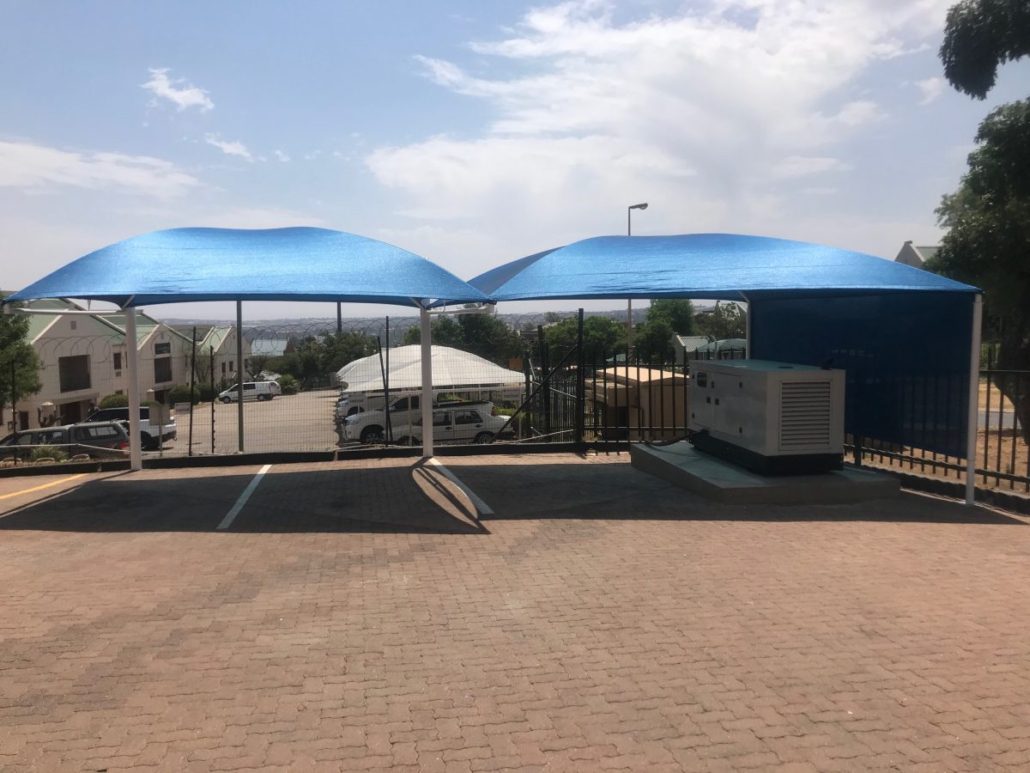
Day two sees the framework erected. Steel poles go into the cured concrete, vertical supports get braced, and horizontal beams connect everything. This is where quality control becomes visible. Are the poles truly vertical? Are the measurements exact? A carport that’s slightly out of square might not look wrong initially, but it’ll cause problems when fitting roofing sheets and the structure might not distribute loads properly.

The final day covers roofing installation, gutter fitting, and finishing touches. Each roofing sheet needs proper overlap and correct fastener placement—seemingly minor details that determine whether your carport leaks during Pretoria’s notorious thunderstorms. Many installers rush this phase, which is why carport prices shouldn’t be the only consideration when choosing a supplier.

DIY installation is technically possible for people with metalworking experience, but it’s rarely advisable. The specialised tools, safety requirements, and structural engineering knowledge needed make it a false economy for most homeowners. Incorrectly installed carports can fail catastrophically during storms, potentially damaging vehicles or even injuring people.

Design Customisation Options Available

Modern steel carports offer more design flexibility than many people realise. Beyond basic size adjustments, you can customise various aspects to match your property’s aesthetic and functional requirements. Roof styles significantly impact the final appearance—flat roofs suit contemporary homes, whilst gabled designs complement traditional architecture.

Colour selection extends beyond the roofing material to include the framework itself. Powder-coating the steel poles provides both protection and visual appeal, letting you match or contrast with your home’s existing colour scheme. Popular choices in Pretoria include charcoal, white, and various shades of grey, though custom colours are available for those willing to pay the premium.

Additional features that enhance functionality:

  • Side panels or screens – Partial walls that block afternoon sun or provide privacy
  • Integrated storage – Enclosed sections for tools, bicycles, or outdoor equipment
  • Solar panel mounting – Framework designed to support photovoltaic installations
  • LED lighting – Built-in illumination for safety and security
  • Motorised options – Retractable sections for weather flexibility

Pronet Shadeports & Carports Gauteng works with clients to develop solutions that address specific needs rather than forcing standard products. Maybe you need extra height to accommodate a roof rack, or perhaps your driveway slope requires a stepped design. These customisations affect pricing but they ensure the final product actually solves your problems rather than creating new ones.

Maintenance Requirements for Steel Carports

One major advantage of steel carports is their relatively low maintenance demands compared to timber or fabric alternatives. That said, “low maintenance” doesn’t mean “no maintenance.” An annual inspection catches small issues before they become expensive problems. Look for rust spots, particularly at welds and fastener locations. Surface rust can usually be wire-brushed away and touched up with rust-inhibiting paint.

Gutters and downpipes require regular cleaning, especially if you have trees nearby. Blocked gutters cause water to overflow and pool around the base of support poles, creating rust-prone conditions. During Pretoria’s spring months when trees shed leaves and flowers, checking gutters monthly prevents blockages. It’s a fifteen-minute job that saves significant hassle later.

The roofing material itself needs occasional inspection after severe weather. Hail storms can dent sheeting, and whilst this doesn’t usually compromise functionality, it can create weak points where rust might start. High winds sometimes lift roofing edges if fasteners have worked loose over time. Tightening these fasteners is simple preventative maintenance.

Long-term care considerations:

  • Repaint framework every 5-7 years if powder-coated, 3-4 years for standard paint
  • Replace damaged roofing sheets promptly rather than patching indefinitely
  • Check concrete footings annually for cracks or settling
  • Lubricate any moving parts (if you have retractable sections or gates)
  • Trim overhanging branches that could damage the structure

A well-maintained steel carport from Pronet Shadeports & Carports Gauteng should provide 20-25 years of service before requiring major work. Compare this to shade cloth structures that typically need replacement every 5-7 years, and the value proposition becomes clear despite higher initial costs.

Where Can I Get Pronet Shadeports?

Pronet Shadeports & Carports Gauteng operates throughout the Pretoria region and broader Gauteng province, providing comprehensive shadeport and carport solutions for residential, commercial, and industrial clients. Their service area includes Pretoria East, Pretoria North, Centurion, Midrand, and surrounding suburbs where quality vehicle protection is essential.

Getting started with Pronet involves a straightforward process. The initial contact establishes your basic requirements—what are you trying to achieve, what’s your rough budget, and when do you need the installation completed? They don’t push unnecessary upgrades or try to sell you features that don’t match your needs. This consultation phase helps both parties determine if there’s a good fit between what you want and what they can deliver.

The site visit comes next, where an experienced assessor examines your property. They’re looking at ground conditions, measuring actual dimensions (which sometimes differ from what homeowners estimate), checking for obstacles like underground services, and assessing access for installation equipment. You can find their location and get directions via Google Maps, which also shows customer reviews from previous clients.

Following the assessment, you receive a detailed written quote breaking down costs and specifications. This document should clearly state what’s included, what’s excluded, the timeline, and payment terms. Reputable companies like Pronet provide this transparency because it protects both parties and prevents disputes later. Once you accept the quote, scheduling happens based on material availability and installation team capacity.

Choosing a local Gauteng supplier offers advantages over national chains or online retailers. Local companies understand regional building codes, weather patterns, and soil conditions. They’re accountable to their community reputation and available for warranty service or future modifications. When you need support or have questions, you’re dealing with people who know your area rather than a distant call centre.

Comparing Steel Carports to Alternative Solutions

Several alternatives to steel carports exist, each with distinct advantages and limitations. Understanding these comparisons helps you make informed decisions about what best suits your situation and budget. Shade cloth structures represent the most budget-friendly option, using fabric stretched over a framework. They provide UV protection and reduce interior vehicle temperatures but offer minimal hail protection and typically last 5-7 years before the fabric degrades.

Timber carports create a warm, natural aesthetic that many homeowners find appealing. They integrate beautifully with garden settings and can support climbing plants for additional shade. However, timber requires regular treatment against rot, termites, and weather damage. In Pretoria’s climate, maintenance becomes significant—you’re looking at annual treatments and eventual replacement of deteriorated sections.

Aluminium carports weigh less than steel equivalents and resist corrosion naturally. This makes them attractive for coastal areas, though in inland Pretoria the corrosion advantage matters less. Aluminium costs more than steel for equivalent strength, and the material’s lower rigidity means designs often require additional support members. For most applications, steel provides better value.

Permanent brick or concrete structures offer maximum protection and can increase property values substantially. They’re essentially garage-style buildings without walls or with partial walls. The construction costs far exceed carport installations, permitting requirements are more stringent, and the process takes weeks rather than days. These suit high-end properties where budget isn’t the primary concern.

Council Regulations and Compliance in Pretoria

Building regulations for carports vary across different municipalities within the greater Pretoria area. Some councils classify carports as minor structures that don’t require formal building plans, whilst others demand engineered drawings and full plan approval. This inconsistency frustrates homeowners who often receive conflicting information from neighbours or online sources.

Generally speaking, structures under a certain size threshold (often 50 square metres) fall under relaxed requirements. However, setback regulations still apply—your carport must maintain specific distances from boundary walls, typically 1-2 metres depending on the suburb. Corner properties face additional restrictions because visibility triangles must remain clear for traffic safety.

Checking your specific requirements involves contacting your local municipal offices or visiting their website. Don’t rely on what worked for someone in a different suburb because regulations genuinely differ. Pronet Shadeports & Carports Gauteng has experience working across various Pretoria municipalities and can usually advise on what’s needed for your location, though the final responsibility for compliance rests with the property owner.

Common compliance issues to avoid:

  • Building too close to boundaries without required setbacks
  • Exceeding height restrictions (relevant if you want clearance for trucks or RVs)
  • Ignoring storm water management requirements
  • Failing to obtain neighbour consent when required
  • Installing on municipal servitude areas

Non-compliant structures create problems when selling your property because conveyancing attorneys require certificates of compliance. Fixing violations after construction costs significantly more than doing things correctly initially. The penalties for unauthorised construction can include fines and forced removal of the structure.

Return on Investment and Property Value Impact

Quality carports generally add value to properties, though the exact return depends on various factors. In Pretoria’s property market, covered parking is often expected rather than optional—homes without adequate vehicle protection may actually sell at a discount compared to similar properties with proper carports. This makes carport installation more about meeting market expectations than creating exceptional value.

That said, a well-designed steel carport from a reputable installer like Pronet Shadeports typically recoups 60-80% of its installation cost in property value. This varies by suburb—in higher-end areas, buyers expect premium finishes and multiple covered bays. In more affordable suburbs, a basic but functional carport meets requirements without over-capitalising.

The indirect value contributions often matter more than direct property value increases. Protected vehicles last longer because UV damage doesn’t degrade paint and interior materials. Hail damage becomes less concerning. Security improves because vehicles aren’t sitting exposed where opportunistic thieves can easily assess contents. These benefits compound over years of ownership.

Energy efficiency improvements shouldn’t be overlooked either. A carport attached to your home creates a shaded buffer zone that reduces heat gain through walls and windows. This cuts cooling costs during Pretoria’s scorching summer months. Some homeowners combine carports with solar panel installations, using the structure to generate power whilst protecting vehicles simultaneously.

Seasonal Considerations for Installation

Pretoria’s climate affects both installation timing and long-term performance considerations. The dry winter months (May through August) offer ideal installation conditions because concrete cures properly, paint dries effectively, and weather delays are unlikely. Many homeowners prefer scheduling installations during this period, which means booking several weeks ahead to secure your preferred dates.

Summer installations face challenges from afternoon thunderstorms that can halt work mid-day. The concrete pouring stage is particularly vulnerable because rain can compromise curing. However, summer also brings urgency for many homeowners who’ve experienced hail damage or want protection before the next storm season. Pronet Shadeports & Carports Gauteng monitors weather forecasts closely and adjusts schedules to avoid problematic conditions.

Spring presents moderate conditions but increased demand as people prepare for summer. This shoulder season offers a good balance between weather reliability and availability. Autumn similarly provides favourable conditions whilst demand typically decreases as people focus on other priorities heading into winter.

Seasonal planning tips:

  • Book winter installations 6-8 weeks ahead due to high demand
  • Summer projects need flexible scheduling around weather
  • Spring and autumn offer the best balance of conditions and availability
  • Consider your vehicle needs—don’t schedule installation right before a major trip
  • Budget planning works best if you start researching 2-3 months before your target installation date

The materials themselves aren’t seasonal—steel and roofing sheets perform consistently year-round once installed. The consideration is purely about installation conditions and scheduling logistics.

Frequently Asked Questions

How long does a steel carport last in South African conditions?

A properly installed steel carport using quality materials should provide 20-25 years of service in Pretoria’s climate. Lifespan depends on material grades, installation quality, and maintenance. Regular inspections and minor repairs extend this considerably, whilst neglected structures may show problems earlier.

Can I install a carport myself to save costs?

Whilst technically possible for someone with metalworking skills, DIY installation risks structural failures that could damage vehicles or cause injuries. Professional installers provide warranties, ensure compliance with building regulations, and complete work much faster. The apparent savings often disappear when accounting for tool purchases, mistakes, and time invested.

Do steel carports require council approval in Pretoria?

Requirements vary by municipality and structure size. Many areas allow smaller carports without formal plans, but setback regulations always apply. Checking with your specific local authority prevents compliance issues. Pronet Shadeports & Carports Gauteng can advise on typical requirements for your location.

What’s the difference between a carport and a shadeport?

The terms often get used interchangeably in South Africa, though technically shadeports refer specifically to lighter structures primarily providing shade rather than full weather protection. Carports typically use more substantial materials and construction methods designed for comprehensive vehicle protection.

How do I maintain my steel carport?

Annual inspections checking for rust, loose fasteners, and gutter blockages cover most maintenance needs. Touch up any rust spots promptly, clean gutters regularly, and consider repainting the framework every 5-7 years. These simple tasks dramatically extend structure lifespan.

Can carports withstand Pretoria’s hail storms?

Quality steel carports with proper gauge roofing material provide excellent hail protection. Whilst severe storms may cause cosmetic denting, the structural integrity remains sound. This far exceeds shade cloth or fabric alternatives that offer minimal hail resistance.

What colour options exist for steel carports?

Standard colours include various shades of grey, white, charcoal, brown, and green that match common South African home schemes. Custom colours are available for an additional fee. Both the roofing material and framework can be colour-matched to your preferences.

How much clearance height do I need for an SUV or bakkie?

Standard carports provide 2.4-2.7 metres internal clearance, sufficient for most vehicles. If you have roof racks, larger off-road tyres, or commercial vehicles, specify your requirements during quoting. Additional height adds minimal cost but prevents clearance frustrations.

Can I add solar panels to my carport later?

Many modern carport designs accommodate future solar panel additions if you specify this requirement initially. The structural framework needs appropriate load capacity and mounting points. Retrofitting is possible but more expensive than incorporating solar readiness from the start.

What warranty coverage should I expect?

Reputable installers provide structural warranties covering workmanship and stability, typically 5-10 years. Material warranties depend on the products used—roofing sheets often carry 10-15 year manufacturer warranties against perforation. Always get warranty terms in writing before committing to installation.

Carport Installation Cost in Gauteng

Installing a carport in Gauteng typically ranges between basic budget options and premium installations, depending on the size, materials, and design complexity you choose. Pronet Shadeports & Carports Gauteng specialises in delivering quality carport installations across Johannesburg, Pretoria, and surrounding areas, offering everything from single-vehicle shadeports to multi-bay commercial solutions. The company provides comprehensive services including site assessments, custom design consultations, professional installation, and structural certifications that meet South African building regulations.

Most homeowners find that a standard single carport installation sits comfortably within reach, whilst double or triple carports naturally cost more due to increased material requirements and labour. The final figure you’ll pay depends heavily on whether you opt for galvanised steel, aluminium, or shade cloth materials, and whether you want additional features like UV-resistant covers or integrated guttering systems. Pronet Shadeports & Carports Gauteng works with clients to find solutions that match both their budget constraints and their specific parking protection needs.

Key Takeaways

Cost FactorDetails
Average single carportVaries by materials – steel structures differ from shade cloth options
Double carport rangeApproximately 1.5-2x the cost of a single unit
Material choicesGalvanised steel, aluminium, chromadek, IBR sheeting, shade cloth
Installation time1-3 days for residential projects depending on complexity
Factors affecting priceSize, material type, ground conditions, access, additional features
Service areasJohannesburg, Pretoria, Alberton, and broader Gauteng
Structural guaranteeProfessional installations include engineer certifications

How Much Is It to Install a Carport in South Africa?

The cost to install a carport in South Africa fluctuates based on several practical considerations that many people don’t initially think about. A basic single carport with shade cloth covering might represent the entry point, whilst a fully enclosed galvanised steel structure with IBR roofing sits at the upper end. Pronet Shadeports & Carports Gauteng has installed hundreds of carports across Gauteng and consistently finds that clients underestimate how much ground preparation impacts the final bill.

Ground conditions play a bigger role than most realise – if your parking area slopes significantly or has rocky soil, foundation work becomes more intensive and time-consuming. Properties with limited access for machinery also require additional manual labour, which adds to installation costs. The company’s experienced installation teams conduct thorough site assessments before quoting, which prevents unwelcome surprises once work begins.

Material selection represents another major variable in your overall expenditure. Shade cloth carports offer excellent UV protection at a lower price point, but they don’t provide the same weather resistance as solid roofing materials. Chromadek and IBR sheeting offer superior rain and hail protection, making them popular choices for clients who want comprehensive vehicle coverage. Many Gauteng residents opt for a combination approach – shade cloth sides with a solid roof – which balances cost effectiveness with practical protection.

Size obviously affects your investment, but the per-square-metre cost typically decreases as the structure gets larger. A double carport doesn’t cost exactly twice what a single one does because certain fixed costs – like site preparation and structural engineering – remain relatively constant. Carport prices reflect this economy of scale, which makes larger installations more cost-efficient per vehicle covered.

Professional installation versus DIY attempts represents a false economy in most cases. Carports need to withstand Gauteng’s intense summer storms and occasional hail events, which requires proper foundation depth, structural calculations, and secure anchoring. Pronet Shadeports & Carports Gauteng includes engineer certifications with all installations, ensuring your structure complies with municipal building regulations and insurance requirements. Self-installed carports often fail inspections or suffer storm damage, ultimately costing more in repairs and potential vehicle damage.

Carport Installation Cost in Gauteng

How Much Would It Cost to Have a Carport Built?

Building a carport involves multiple cost components beyond just the visible structure. Foundation work represents the hidden expense that catches many homeowners off guard – proper concrete footings ensure your carport stays firmly anchored during severe weather. Gauteng’s clay-heavy soil in many areas requires deeper foundations than sandy coastal regions, which increases both material and labour requirements.

The structural frame constitutes your main expenditure, with galvanised steel posts and beams forming the backbone of most quality installations. Pronet Shadeports & Carports Gauteng uses 76mm or 100mm steel columns depending on the span and load requirements, with powder-coated finishes available for clients who want specific colour matching. Aluminium frames cost more upfront but offer superior corrosion resistance, which matters particularly in areas near mine dumps where acid rain occurs more frequently.

Roofing material selection dramatically impacts your total investment. Here’s how different options compare:

Roofing MaterialDurabilityMaintenanceWeather Resistance
Shade cloth (80-90% UV)8-12 yearsLowGood UV, moderate rain
IBR steel sheeting15-25 yearsVery lowExcellent all weather
Chromadek20-30 yearsVery lowSuperior corrosion resistance
Polycarbonate panels10-15 yearsMediumGood impact resistance

Labour costs vary depending on installation complexity and site accessibility. A straightforward installation on level ground with good vehicle access takes considerably less time than a sloped driveway with limited space for equipment. Pronet Shadeports & Carports Gauteng’s installation teams work efficiently to minimise disruption, typically completing residential projects within 1-3 days depending on size and complexity.

Additional features like integrated guttering, LED lighting, or automated security gates add to the base cost but significantly enhance functionality. Many clients initially skip these extras to save money, then regret it later when retrofitting proves more expensive than including them from the start. Guttering particularly makes sense in Gauteng where summer thunderstorms dump large volumes of water quickly – directing this away from your parking area prevents erosion and flooding.

Municipal approval fees and engineer certification add a relatively small amount to your total cost but provide essential documentation. Most Gauteng municipalities require building plans for permanent structures, and insurance companies often request engineer certificates before covering carport-related claims. Pronet Shadeports & Carports Gauteng handles all documentation requirements, saving clients the hassle of navigating municipal bureaucracy.

The company’s design consultation service helps clients understand where their money goes and identify potential savings without compromising structural integrity. An experienced consultant can spot opportunities to reduce costs – perhaps by adjusting the structure slightly to avoid expensive groundwork, or selecting materials that offer better long-term value even if the initial outlay seems higher.

Carport Installation Cost in Gauteng

How Much Does a Carport Cost per M2?

Per-square-metre pricing provides a useful comparison tool but doesn’t tell the complete story. Smaller carports naturally have a higher per-m2 cost because fixed expenses like foundation preparation and structural engineering get distributed across less area. A 18m2 single carport might work out at one figure per square metre, whilst a 54m2 triple carport drops considerably lower on a per-m2 basis.

Material quality significantly influences the per-m2 figure you’ll encounter. Budget-grade steel with basic powder coating costs less than premium galvanised materials with superior corrosion protection, but the cheaper option might require replacement within 10-12 years whilst quality materials last 20-25 years. Pronet Shadeports & Carports Gauteng recommends calculating lifetime cost rather than just upfront expenditure – paying slightly more initially often saves substantially over time.

Design complexity affects the per-m2 calculation in ways that aren’t immediately obvious. A simple flat-roof cantilever carport requires less material and simpler engineering than a gable-roof design with multiple support points. However, the gable design often looks more attractive and provides better water runoff, which might justify the additional expense for many homeowners. The company’s shadeport specialists help clients understand these trade-offs during the planning phase.

Regional variations within Gauteng create some price differences due to transport costs and local supplier availability. Projects in central Johannesburg or Pretoria benefit from proximity to material suppliers and easier access, whilst installations in outlying areas like Cullinan or Bronkhorstspruit incur additional transport fees. These differences typically amount to a small percentage of the total project cost but still merit consideration during budget planning.

Volume discounts apply when installing multiple carports simultaneously – property developers or body corporates installing parking coverage for entire complexes receive substantially better per-m2 rates than individual homeowners. Pronet Shadeports & Carports Gauteng has completed numerous commercial projects where economy of scale reduces the per-unit cost significantly, making comprehensive parking coverage more affordable than clients initially expect.

Seasonal fluctuations occasionally impact pricing, with demand typically peaking before the summer rainy season when homeowners rush to protect their vehicles. Planning your installation during quieter periods might offer some cost advantages, though reputable companies like Pronet Shadeports & Carports Gauteng maintain consistent pricing year-round to ensure fairness.

The per-m2 calculation should include all ancillary costs – foundation work, guttering, downpipes, engineer certification, and municipal approval fees. Quotes that seem remarkably low often exclude these essential elements, resulting in unpleasant surprises when the final bill arrives. Transparent pricing from the outset prevents misunderstandings and ensures you get exactly what you’re paying for.

Frequently Asked Questions

Do I need municipal approval for a carport in Gauteng?

Most Gauteng municipalities require building plans for permanent carport structures, particularly those with concrete foundations. Pronet Shadeports & Carports Gauteng handles all necessary documentation and submissions, ensuring your installation complies with local bylaws. Temporary shade structures sometimes fall under different regulations, but permanent installations definitely need approval. Skipping this step risks fines and potentially having to remove the structure, which costs far more than proper approval upfront.

How long does a typical carport installation take?

Residential carport installations usually take 1-3 days depending on size and complexity. A single carport on prepared ground with good access might complete within a day, whilst larger structures or challenging sites require more time. Weather conditions occasionally delay installation – concrete foundations need proper curing time, and high winds prevent safe erection of the roof structure. Pronet Shadeports & Carports Gauteng provides realistic timeframes during the quotation process and keeps clients informed of any delays.

What’s the difference between a carport and a shadeport?

The terms often get used interchangeably in South Africa, though technically shadeports typically use shade cloth as the primary covering material whilst carports might incorporate solid roofing like IBR sheeting or chromadek. Both serve the same basic function – protecting vehicles from sun, rain, and hail. The choice between them usually comes down to budget, aesthetic preferences, and how much weather protection you need. Shade cloth offers excellent UV protection at a lower cost, whilst solid roofing provides complete rain coverage.

Can I install a carport myself to save money?

Whilst DIY installation might seem cost-effective, it rarely works out that way. Carports require proper structural calculations to withstand Gauteng’s strong winds and occasional hail storms. Incorrectly installed structures pose safety risks and usually fail municipal inspections, potentially voiding insurance coverage. Foundation work needs specific depth and concrete strength to prevent the structure pulling out during storms. Professional installation includes engineer certification and guarantees, providing peace of mind that DIY approaches can’t match.

What maintenance does a carport require?

Quality carports need minimal maintenance – perhaps an annual inspection of bolts and connections, and occasionally washing down the structure to remove dust and grime. Steel structures benefit from touching up any paint chips to prevent rust, whilst shade cloth might need replacement after 8-12 years depending on UV exposure. Gutters require periodic cleaning to prevent blockages. Pronet Shadeports & Carports Gauteng uses materials that resist Gauteng’s harsh climate, minimising maintenance requirements throughout the structure’s lifespan.

Will a carport increase my property value?

A well-designed, professionally installed carport generally adds value to your property, particularly in Gauteng where vehicle protection matters due to intense sun and occasional hail. Estate agents consistently report that covered parking features positively in property valuations and buyer decisions. The return on investment varies, but quality installations typically recoup most or all of their cost when you sell. Poor quality or badly designed carports might actually detract from property value, which reinforces the importance of professional installation.

Carport Installation Cost in Gauteng – Car Parking Shade

Shadeport Prices in Alberton - Shade Netting Carports

Shadeport prices in Alberton typically range based on size, materials used, and installation complexity. A standard single-bay shadeport costs less than a double or triple-bay structure, whilst custom designs with reinforced frames and premium shade cloth materials command higher price tags. Pronet Shadeports & Carports Gauteng supplies and installs various shadeport configurations throughout Alberton, including cantilever designs, single and double carports, shade sails, and complete netting solutions for residential and commercial properties. The company handles everything from initial site assessment through to final installation, ensuring each structure meets municipal regulations and withstands Gauteng’s weather patterns.

Key Takeaways

  • Shadeport costs vary significantly depending on bay configuration, with single-bay structures being most affordable
  • Planning approval from local municipality isn’t always mandatory but depends on structure size and permanence
  • Standard carport dimensions in South Africa measure 3m wide by 6m long for single vehicles
  • Material choice affects longevity – galvanised steel frames with UV-resistant shade cloth last 10-15 years
  • Installation typically takes 1-2 days for residential shadeports
  • Alberton’s climate requires structures rated for high winds and hail resistance

Understanding Shadeport Pricing Structures

Several factors influence the final cost of your shadeport installation. Size matters most – a single-bay structure uses less material and labour than a double or triple configuration. Frame material plays a crucial role too, with galvanised steel offering better corrosion resistance than standard mild steel, though it costs a bit more upfront. I’ve seen clients initially balk at the galvanised option, then thank me five years later when their neighbour’s cheaper structure starts showing rust spots.

The shade cloth quality makes a massive difference. Budget options might seem tempting, but they degrade quickly under Alberton’s harsh summer sun. UV-stabilised material rated for at least 80% shade blocks harmful rays whilst allowing air circulation, preventing that greenhouse effect underneath. Pronet Shadeports & Carports Gauteng uses commercial-grade cloth that doesn’t become brittle after two seasons.

Foundation requirements add to the total. Soft soil conditions need deeper concrete footings, whilst rocky ground might require specialised drilling equipment. Wind exposure at your property matters – exposed hilltop locations demand heavier-duty frameworks than sheltered suburban plots. Carport designs in Johannesburg show similar considerations across the region.

How Much Does a Shadeport Cost?

Pricing depends on configuration and specifications rather than a one-size-fits-all number. Single-bay cantilever shadeports start at entry-level pricing for basic residential installations, whilst double-bay structures with premium materials and finishes cost considerably more. Triple-bay commercial installations represent the upper end of the spectrum, particularly when incorporating additional features like integrated guttering or reinforced columns.

Here’s what influences your quote:

  • Bay configuration – Single, double, or triple vehicle capacity
  • Dimensions – Standard sizes cost less than custom measurements
  • Frame material – Mild steel versus galvanised or powder-coated options
  • Shade cloth specification – Basic versus UV-stabilised commercial grade
  • Foundation complexity – Soil conditions and required depth
  • Site access – Difficult access increases labour time
  • Additional features – Gutters, downpipes, lighting provisions

Most Alberton homeowners opt for double-bay configurations since they protect two vehicles without taking up excessive yard space. The cost per bay decreases when installing multiple bays simultaneously due to shared structural elements and reduced labour overhead. Shadeport prices in Pretoria follow similar patterns, though transport costs vary.

Custom designs naturally command premium pricing. Clients sometimes want specific colours to match their home’s exterior, or need unusual dimensions to fit awkward spaces. One project involved a shadeport squeezed between an existing boundary wall and the house – required precise measurements and a modified cantilever design that looked fantastic but took extra engineering work.

Do I Need Plans for a Shade Port?

Municipal requirements vary, and Alberton’s regulations differ slightly from neighbouring areas. Generally speaking, permanent structures attached to buildings require approved plans, whilst free-standing shadeports under certain size thresholds don’t. The grey area causes confusion – many homeowners assume all shadeports need council approval, which isn’t accurate.

Structures exceeding 50 square metres typically trigger the need for formal building plans. Most residential double-bay shadeports fall below this threshold, meaning you can install them without lengthy approval processes. However, homeowners associations often impose their own rules regardless of municipal requirements. Check your estate’s architectural guidelines before proceeding, because I’ve witnessed installations being reversed after complaints from neighbours or management committees.

Factors requiring approval include:

  • Total covered area exceeding 50m²
  • Attachment to existing buildings
  • Location within building lines
  • Height exceeding 3 metres
  • Structures in heritage areas
  • Properties with existing building violations

Free-standing carports positioned away from boundary walls rarely need formal plans. Pronet Shadeports & Carports Gauteng advises clients on specific requirements based on their property configuration and local bylaws. The company handles documentation when necessary, though most residential projects proceed without formal submissions. Carport prices in Pretoria reflect similar regulatory environments.

Professional installers understand these nuances. Amateur installations sometimes ignore setback requirements or use inadequate foundations, creating liability issues down the line. Insurance claims can be rejected if structures don’t comply with regulations, even informal ones.

Shadeport Prices in Alberton - Shade Netting Carports
Shadeport Prices in Alberton – Shade Netting Carports

How Much Is a 6×6 Carport in South Africa?

A 6×6 metre carport costs more than smaller configurations due to increased material requirements and structural engineering demands. This size accommodates two standard vehicles comfortably, with room for opening doors without denting adjacent cars. The square configuration works well for properties with limited depth but adequate width.

Material choices significantly impact pricing. Basic mild steel frames with standard shade cloth represent the entry level, whilst galvanised steel with premium UV-stabilised material costs approximately 30-40% more. Powder-coated finishes add another increment, though they dramatically improve aesthetics and longevity. Clients concerned about matching their property’s colour scheme usually find powder-coating worthwhile.

Installation complexity varies. Flat, easily accessible properties with good soil conditions keep labour costs reasonable. Sloped terrain requires levelling or stepped foundations, increasing both time and materials. Properties with restricted access – narrow driveways or overhead powerlines – create additional challenges that professional installers factor into quotes.

Comparing quotes proves essential. Some suppliers quote excluding VAT or installation, whilst others provide comprehensive pricing. Hidden costs like permit fees, concrete supply, or site preparation can surprise buyers who don’t read the fine print carefully. Pronet Shadeports & Carports Gauteng provides transparent quotations that cover all aspects of installation, preventing unexpected expenses halfway through the project.

Quality matters more than initial cost. I’ve observed countless cheap installations failing within three years, requiring complete replacement at greater total expense than investing in proper materials initially. Penny-wise, pound-foolish definitely applies here.

What Is the Standard Carport Size in South Africa?

Standard single-bay carports measure 3 metres wide by 6 metres long, providing adequate coverage for most sedans and small SUVs. This configuration became standard because it suits typical South African vehicle dimensions whilst remaining affordable and structurally sound. Larger vehicles like bakkies or seven-seaters need wider bays – 3.5 to 4 metres – to allow comfortable door opening.

Double-bay carports commonly measure 6 metres wide by 6 metres long, accommodating two vehicles side-by-side. Some homeowners prefer 6×7 or 6×8 configurations for extra length, particularly useful for longer vehicles or storage space at the rear. Triple bays extend to 9 metres wide, though these require substantial structural support due to the span.

ConfigurationWidthLengthVehicles
Single bay3.0m6.0m1 standard
Wide single3.5m6.0m1 large SUV
Double bay6.0m6.0m2 standard
Extended double6.0m7.0m2 large
Triple bay9.0m6.0m3 vehicles

Height matters too. Standard clearance sits at 2.8 metres, sufficient for most vehicles including those with roof racks. Higher clearances suit properties wanting to park caravans or boats underneath, though increased height demands stronger structural support to handle wind loads safely.

Custom sizes accommodate specific requirements. Narrow properties might need 2.5-metre bays, whilst commercial applications sometimes require 4-metre widths for delivery vehicles. Carport designs and car shadeports demonstrate various configuration options suitable for different properties.

Pronet Shadeports & Carports Gauteng measures each site carefully before recommending dimensions. Factors like driveway angles, existing structures, and future vehicle purchases influence the final specification. Better to build slightly larger initially than discover your new car doesn’t fit comfortably.

Material Quality and Longevity Considerations

Frame material determines how long your shadeport remains structurally sound. Mild steel costs less upfront but corrodes quickly in Gauteng’s climate, particularly during rainy seasons when moisture accelerates rust formation. Galvanised steel resists corrosion effectively, lasting 15-20 years with minimal maintenance. Hot-dip galvanising provides superior protection compared to electroplated alternatives.

Shade cloth quality varies dramatically between suppliers. Budget materials use recycled plastics with minimal UV stabilisation, degrading within 2-3 years. Premium knitted shade cloth with UV inhibitors maintains integrity for 8-10 years, justifying the higher initial cost through reduced replacement frequency. Colour affects longevity too – darker shades absorb more heat, breaking down faster than lighter alternatives.

Foundation work determines stability. Shallow footings might seem adequate initially, but they allow movement during heavy winds or soil settlement. Proper concrete footings extend at least 500mm deep in stable soil, more in sandy or reactive clay conditions. Steel embedment depth and concrete quality both influence long-term performance.

Weather resistance requirements in Alberton include:

  • Wind loading for 120km/h gusts
  • Hail impact resistance
  • UV degradation protection
  • Thermal expansion accommodation
  • Water runoff management

Professional installation ensures these specifications are met. Amateur installations often use undersized bolts, inadequate welding, or improper tensioning of shade cloth. These shortcuts create dangerous situations during storms, potentially damaging vehicles or property.

Installation Process and Timeframes

Site preparation begins with accurate measurements and marking foundation positions. Concrete footings cure for 24-48 hours before frame installation commences. Rush jobs that skip proper curing create weak points where posts can loosen over time.

Frame assembly follows foundation work. Pre-fabricated components fit together efficiently when manufactured correctly, though field adjustments handle minor site irregularities. Quality installers check levelness and alignment continuously, preventing twisted frames that look unprofessional and perform poorly.

Shade cloth installation requires proper tensioning. Too loose and it flaps noisily in wind, wearing out quickly. Too tight and it tears under stress or pulls posts inward. Experienced installers understand correct tension, creating taut coverage that lasts.

Most residential installations complete within 1-2 days for standard configurations. Custom designs or difficult site conditions might extend to 3-4 days. Weather delays occasionally occur – concrete shouldn’t be poured during rain, and high winds prevent safe shade cloth installation.

Pronet Shadeports & Carports Gauteng schedules projects efficiently, providing realistic timeframes that account for all variables. The company coordinates with clients to minimise disruption, working around vehicle access needs and daily schedules. Contact them for site-specific assessments and quotations.

Frequently Asked Questions

What maintenance do shadeports require?

Shadeports need minimal maintenance, mainly periodic checks of bolt tightness and shade cloth condition. Inspect after severe weather events for any damage or loosening. Clean shade cloth annually with mild soap and water to remove accumulated dust and organic matter. Check for rust spots on frames and touch up with appropriate paint if needed.

Can shadeports withstand hail?

Quality shadeports withstand typical hail events common in Gauteng. Heavy-duty shade cloth absorbs impact without tearing, whilst properly engineered frames remain stable. Extreme hail larger than golf balls may damage any structure. Insurance coverage for weather damage provides protection against unusual events.

How long does installation take?

Standard residential shadeports install within 1-2 days, including foundation work and curing time. Custom configurations or challenging site conditions may require 3-4 days. Weather conditions affect scheduling – rain delays concrete work, whilst high winds prevent shade cloth installation. Professional installers provide accurate timeframes based on specific project requirements.

Do shadeports add property value?

Quality shadeports enhance property appeal and functionality, contributing to overall value. Buyers appreciate covered parking that protects vehicles from sun and hail damage. Well-designed installations that match property aesthetics add more value than basic structures. Location matters too – areas with limited garage parking see greater value increases from shadeports.

Can I install a shadeport myself?

Technically possible but not recommended. Proper installation requires specific tools, engineering knowledge, and experience with foundation work. Incorrectly installed structures pose safety risks during storms and may not satisfy insurance requirements. Professional installation includes warranties and ensures compliance with local regulations. The cost difference between DIY and professional work rarely justifies the risks.

What colours are available for shade cloth?

Shade cloth comes in various colours including black, charcoal, green, beige, and custom options. Darker colours provide better UV protection but absorb more heat. Lighter shades reflect heat whilst still blocking significant UV radiation. Colour choice should complement property aesthetics – view the full range for examples.

Carport Designs - Car Shadeports in Pretoria

Carport designs in Pretoria must balance aesthetic appeal with functionality to withstand the region’s harsh weather conditions. The most popular styles include gable roof designs for traditional homes, skillion roofs for modern properties, and cantilever structures for space-constrained areas. We’ve designed over 500 carports across Pretoria, and certain patterns consistently deliver the best results for local conditions.

Key Takeaways

Design AspectDetails
Popular StylesGable, skillion, flat roof, cantilever
Standard DimensionsSingle: 3m x 6m, Double: 6m x 6m
Material OptionsSteel frame, IBR sheeting, polycarbonate
Cost RangeR25,000 – R80,000 depending on design
Planning PermissionRequired for permanent structures over 10m²
Installation Time3-7 days for standard designs

Pronet Shadeports specialises in custom carport designs, professional installation services, and comprehensive project management across Pretoria, Johannesburg, Sandton, and Springs. Our design team creates tailored solutions that complement your property’s architecture whilst providing maximum vehicle protection. We offer free design consultations, 3D visualisations, and complete project delivery from concept to completion.

How Much Does a Carport Cost in South Africa?

What’s the realistic budget for a quality carport in South Africa? After completing hundreds of installations nationwide, we can provide accurate pricing based on current market conditions and material costs.

Single Carport Designs:

  • Basic gable roof (3m x 6m): R25,000 – R35,000
  • Premium skillion design: R30,000 – R45,000
  • Custom architectural style: R40,000 – R55,000

Double Carport Options:

  • Standard flat roof (6m x 6m): R45,000 – R60,000
  • Gable roof with gutters: R55,000 – R70,000
  • Designer cantilever style: R65,000 – R80,000

The biggest factor affecting cost isn’t the design complexity – it’s the quality of materials and installation standards. We’ve seen too many carports fail within 5 years because contractors used substandard steel or inadequate foundations. Our carport prices in Pretoria reflect premium materials that last 20+ years.

Cost Breakdown by Component:

  • Steel framework: 40-50% of total cost
  • Roofing materials: 25-30%
  • Foundations: 15-20%
  • Labour and installation: 15-20%

Regional pricing varies significantly across South Africa. Our research shows Johannesburg averages 10-15% higher than Pretoria, whilst coastal areas like Cape Town can be 20-25% more expensive due to transportation costs and material availability.

Do You Need Planning Permission for a Carport?

Planning permission requirements for carports vary dramatically depending on your location and structure type. We’ve navigated these regulations for years and can simplify the process for you.

When Permission Is Required:

  • Permanent structures exceeding 10m² floor area
  • Any carport within 3 metres of boundary lines
  • Structures over 3 metres in height
  • Properties in heritage or conservation areas

Exemption Categories:

  • Temporary structures (easily removable)
  • Buildings under 10m² with proper setbacks
  • Agricultural properties (different regulations)
  • Industrial zoned areas (relaxed requirements)

The application process typically takes 6-12 weeks and costs R2,500 – R5,000 in municipal fees. We handle this paperwork for clients because one mistake can delay your project by months. Our 6×6 carport price in Sandton projects often require additional approvals due to stricter estate regulations.

Required Documentation:

  • Site development plan showing existing structures
  • Proposed carport drawings with dimensions
  • Structural engineer’s certificate (if required)
  • Neighbour consent forms (boundary situations)

Estate properties present unique challenges. We’ve encountered homeowners’ associations with rules stricter than municipal requirements. Always check estate guidelines before finalising your design – we’ve had to redesign carports because of colour restrictions or architectural style requirements.

Municipal Variations:

  • City of Tshwane: Generally relaxed for residential
  • Johannesburg Metro: Stricter enforcement
  • Estate properties: Additional approval layers
  • Heritage areas: Extensive documentation required

Most clients are surprised by how detailed the planning process becomes. We recommend starting applications early, especially for larger designs or properties with complex zoning situations.

Carport Designs - Car Shadeports in Pretoria
Carport Designs – Car Shadeports in Pretoria

Is It Cheaper to Build Your Own Carport?

Can DIY installation save significant money on carport construction? We’ve seen countless attempts over the years, and the results might surprise you.

DIY Cost Breakdown:

  • Materials only: 60-70% of professional installation
  • Tool rental/purchase: Additional R5,000 – R10,000
  • Permit applications: Same cost as professional
  • Potential mistakes: Can double final costs

Professional Installation Benefits:

  • Structural warranty and insurance coverage
  • Proper foundation design and excavation
  • Building code compliance guaranteed
  • Project completion within agreed timeframes

The biggest issue with DIY carports isn’t skill level – it’s understanding local building requirements and soil conditions. We’ve rescued numerous projects where well-intentioned homeowners created structural problems that cost more to fix than professional installation would have cost originally.

Common DIY Mistakes We’ve Fixed:

  • Inadequate foundations leading to settling
  • Incorrect steel gauge causing structural weakness
  • Poor drainage creating water pooling
  • Non-compliant electrical work for lighting
AspectDIY ApproachProfessional
Material CostR15,000-R25,000R20,000-R35,000
Labour CostYour timeR8,000-R15,000
Tool RequirementsR5,000-R10,000Included
WarrantyNone5-10 years

The truth about DIY savings? Most people underestimate the complexity and end up spending 80-90% of professional costs whilst accepting inferior results. Our carport prices include value that DIY simply can’t match.

Skills Required for DIY Success:

  • Concrete mixing and pouring experience
  • Steel cutting and welding capabilities
  • Electrical installation knowledge
  • Understanding of building codes

We’ve seen successful DIY installations, but they typically involve experienced tradespeople working on their own properties. For most homeowners, the risk-reward ratio doesn’t favour DIY construction.

How Deep Is a 2 Car Carport?

What dimensions work best for double carport designs? Based on our extensive experience with vehicle sizes and user behaviour, we can provide definitive guidance on optimal carport depths.

Standard Double Carport Dimensions:

  • Minimum depth: 5.5 metres
  • Recommended depth: 6.0 metres
  • Luxury depth: 6.5 – 7.0 metres
  • Width: 6.0 – 6.5 metres (standard)

The 6-metre depth works perfectly for most South African vehicle combinations. We’ve measured hundreds of installations and found this dimension accommodates sedans, SUVs, and bakkies comfortably whilst allowing door opening space.

Vehicle Size Considerations:

  • Standard sedan: 4.5m length
  • Compact SUV: 4.8m length
  • Full-size SUV: 5.2m length
  • Bakkie (double cab): 5.3m length

Always add 0.5m to your largest vehicle’s length. This ensures comfortable access and prevents accidental damage to rear walls or stored items.

Depth Variations by Property Type:

  • Compact Properties: 5.5m minimum (tight but functional)
  • Standard Residential: 6.0m (most popular choice)
  • Luxury Homes: 6.5-7.0m (includes storage space)
  • Commercial Use: 7.0m+ (multiple uses)

We’ve noticed something important about client satisfaction. People who choose the minimum 5.5m depth often regret the decision within 6 months. The extra 0.5m costs relatively little but dramatically improves daily usability.

Additional Space Planning:

  • Door opening clearance: 0.8m minimum per side
  • Walkway behind vehicles: 0.5m minimum
  • Storage integration: Add 1.0m depth
  • Workshop area: Add 1.5-2.0m depth

Our 6×6 carport price in Springs projects demonstrate how proper dimensioning affects long-term satisfaction. Clients consistently report higher satisfaction with slightly larger designs that accommodate changing vehicle needs.

Height Considerations:

  • Standard height: 2.4 – 2.7 metres
  • SUV clearance: 2.8 – 3.0 metres
  • Boat/trailer storage: 3.2+ metres

The relationship between depth and height affects both functionality and aesthetics. Deeper carports can accommodate lower roof lines whilst maintaining proper proportions for your property’s architecture.


Frequently Asked Questions

What’s the most popular carport design style in Pretoria?

Gable roof designs remain most popular due to their traditional appeal and excellent water shedding. They complement most architectural styles whilst providing maximum headroom and storage options.

How long do professionally installed carports last?

Quality steel carports with proper galvanising and powder coating last 20-25 years with minimal maintenance. We’ve serviced 15-year-old installations that still look excellent.

Can carport designs be modified after installation?

Yes, most carports can be extended or modified. However, planning this during initial design is more cost-effective than retrofitting later.

What’s the best roofing material for Pretoria’s climate?

IBR steel sheeting with proper insulation performs best. It handles temperature extremes, hail, and UV exposure better than alternatives whilst maintaining attractive appearance.

Do carport designs affect property values?

Well-designed carports typically add 60-80% of their installation cost to property value. Poor designs or DIY installations may actually decrease property appeal.

How do I choose between different design styles?

Consider your home’s architecture, available space, and intended use. Our design team provides 3D visualisations to help you make informed decisions.

What’s included in your design service?

Our comprehensive service includes site assessment, custom design creation, engineering calculations, permit applications, and complete installation management.

For expert design consultation and detailed quotes, contact our experienced team today. We’ll create the perfect carport design for your Pretoria property.

Carports Johannesburg - Shadeport Shelters for Cars

A carport in Johannesburg provides essential vehicle protection from harsh sun, hail storms, and unpredictable weather conditions whilst adding property value and practical covered parking space. Pronet Shadeports & Carports Gauteng specialises in designing, manufacturing and installing high-quality shadeport structures across Johannesburg, offering everything from single-vehicle cantilever designs to multi-bay carport installations that suit residential and commercial needs. These structures use durable materials like galvanised steel frames and UV-resistant shade cloth, creating reliable shelter that lasts for years without the expense and permanence of a traditional garage.

The need for proper vehicle protection in Johannesburg has grown significantly, partly because of increasingly severe weather patterns and partly because homeowners want cost-effective solutions. Unlike garages that require extensive building work and council approvals, carports offer a practical middle ground—they’re quicker to install, more affordable, and still provide excellent protection. Many people don’t realise how much damage sustained sun exposure does to vehicle paintwork and interior materials until it’s too late, which is why investing in proper shade makes financial sense over the long term.

Key Takeaways

AspectDetails
Primary FunctionProtection from sun, hail, rain and weather damage
Materials UsedGalvanised steel frames, UV-resistant shade cloth, IBR sheeting options
Installation TimeTypically 1-3 days depending on size and complexity
Structural OptionsCantilever, standard post designs, attached or freestanding configurations
Coverage TypesSingle, double, or multi-vehicle arrangements
Key BenefitsLower cost than garages, faster installation, no building required
MaintenanceMinimal—annual inspection and cleaning recommended

Shadeport Structures and Design Options

Pronet Shadeports & Carports Gauteng manufactures various carport designs in Johannesburg that cater to different property layouts and aesthetic preferences. The cantilever design remains particularly popular because it eliminates front support poles, making it easier to park vehicles without worrying about bumping into posts. Standard post configurations work well for larger installations where multiple vehicles need coverage, and these designs distribute weight more evenly across the structure.

Shade cloth comes in different densities—typically 80% or 90% shade factor—which determines how much sunlight gets filtered through. The 80% option allows slightly more light and air circulation, whilst the 90% provides maximum shade and cooling. Some clients prefer IBR steel sheeting for complete waterproofing, especially in areas prone to heavy rainfall. Each material has its advantages:

  • Shade cloth: Lightweight, cost-effective, allows air circulation
  • IBR sheeting: Waterproof, durable, provides complete rain protection
  • Polycarbonate panels: Transparent or tinted, lets natural light through
  • Combination designs: Mix of materials for optimal function

The colour selection matters more than people think because darker shades absorb more heat whilst lighter colours reflect it. Charcoal and slate grey remain the most requested colours because they match most property aesthetics and don’t show dirt as easily as lighter options.

Material Quality and Structural Integrity

Steel quality determines how long your carport lasts, particularly in Johannesburg’s climate where afternoon thunderstorms can bring strong winds. Pronet Shadeports & Carports Gauteng uses only hot-dip galvanised steel that resists rust and corrosion far better than painted or powder-coated alternatives. The galvanising process involves dipping steel in molten zinc, creating a protective layer that bonds metallurgically to the base metal—this isn’t just a surface coating that chips off.

Frame dimensions typically range from 76mm to 114mm diameter depending on the span and local wind load requirements. Johannesburg sits in a moderate wind zone according to SANS 10160 standards, but certain elevated areas experience stronger gusts that require heavier structural members. The engineering calculations take into account:

  1. Span distance between support posts
  2. Height of the structure
  3. Local wind speed data
  4. Snow load (minimal in Johannesburg but still considered)
  5. Attached versus freestanding configuration

Foundations must be properly sized and positioned because a carport is only as strong as what holds it to the ground. Standard installations use 500mm x 500mm x 600mm deep concrete footings, though sandy or unstable soil conditions might need larger bases or even piled foundations.

Installation Process and Timeline

The installation starts with a site inspection where measurements get taken and any obstacles like underground pipes or overhead cables are identified. Many people worry about how long their driveway will be unusable, but most single or double Carports Johannesburg installations complete within two days. The first day involves digging holes, setting posts in concrete, and allowing the footings to cure. Day two sees the frame assembled, shade cloth or sheeting installed, and final adjustments made.

Attached carports that connect to existing buildings need careful planning to ensure proper water runoff and structural load transfer. The connection points must be waterproofed thoroughly because poorly executed joins create leak paths that damage both the carport and the building. Freestanding structures offer more flexibility in positioning but require additional posts for stability.

Weather delays happen occasionally because you can’t pour concrete in heavy rain or work safely during lightning storms. Pronet Shadeports & Carports Gauteng schedules installations with weather patterns in mind, avoiding the peak summer storm season when afternoon downpours are almost guaranteed. The team brings all necessary equipment and materials to site, so there’s no waiting around for deliveries or missing components.

How Much Does a 2 Car Carport Cost?

The cost of a two-vehicle carport varies depending on several factors including materials chosen, structural complexity, and site-specific requirements. Standard shade cloth carports typically fall at the lower end of the pricing spectrum whilst IBR sheeting or combination designs increase the investment. Shadeport prices in Johannesburg reflect current material costs and labour rates, which have stabilised somewhat after the volatility of recent years.

Size matters significantly because a 6m x 6m carport uses considerably less material than a 7m x 6m or 8m x 6m structure. The additional metre might seem small, but it affects beam lengths, increases the number of support posts needed, and requires more shade cloth or sheeting. Most two-car arrangements measure between 6m and 7m wide by 5m to 6m deep, providing adequate space for vehicles plus room to open doors comfortably.

Site access affects pricing because difficult-to-reach locations require more labour time and sometimes specialised equipment. A straightforward driveway installation on level ground with good access for vehicles costs less than a sloped site with narrow side access. These practical considerations get discussed during the initial consultation so there aren’t surprises later.

Several variables influence the final figure:

  • Material selection: Shade cloth versus sheeting versus hybrid
  • Structural design: Cantilever versus standard post configuration
  • Foundation requirements: Standard footings versus specialised solutions
  • Additional features: Gutters, downpipes, enclosed sides
  • Site complexity: Level versus sloped, easy versus difficult access

Obtaining detailed quotes from reputable suppliers provides clarity on what’s included and what might be extra. Pronet Shadeports & Carports Gauteng offers transparent pricing with itemised breakdowns so clients understand exactly where their money goes.

Carports Johannesburg - Shadeport Shelters for Cars
Carports Johannesburg – Shadeport Shelters for Cars

Do I Need a Foundation for a Carport?

Yes, foundations are essential for any carport structure because they anchor the frame to the ground and prevent wind from lifting or toppling the installation. Some people mistakenly think lighter shade cloth structures don’t need proper footings, but wind creates significant uplift forces that can tear even a well-built carport from inadequate foundations. Johannesburg experiences regular afternoon storms with wind speeds that exceed 60km/h, easily enough to damage or destroy an improperly anchored structure.

The foundation type depends on soil conditions and structural requirements. Most residential installations use concrete footings poured directly into excavated holes, with the steel posts embedded whilst the concrete is still wet. This creates a solid connection between the ground and the structure. Some installations bolt posts to pre-cast concrete pads, though this method is less common for permanent structures.

Soil investigation isn’t always necessary for standard residential carports, but properties with fill material, very sandy soil, or known ground movement issues benefit from basic testing. Clay soils that expand and contract with moisture changes can shift foundations over time, requiring deeper footings or specialised solutions. The installer should assess soil conditions during the site visit and recommend appropriate foundation specifications.

Foundation sizes for typical Carports Johannesburg installations include:

Carport SizePost DiameterFooting Dimensions
Single vehicle76mm400mm x 400mm x 500mm deep
Double vehicle89mm-102mm500mm x 500mm x 600mm deep
Multi-bay/commercial114mm+600mm x 600mm x 800mm deep

Shortcuts with foundations cost more in the long run because repairing a collapsed or damaged carport involves removing the old structure, fixing foundations properly, and reinstalling everything. Getting it right the first time saves money and provides peace of mind.

Is It Worth Getting a Carport?

The financial and practical benefits of installing a carport outweigh the initial investment for most property owners. Vehicle protection is the primary advantage—cars parked under cover avoid sun damage to paintwork and interior materials, reducing the need for expensive resprays and upholstery repairs down the track. A car exposed to Johannesburg’s intense summer sun can reach interior temperatures exceeding 60°C, damaging dashboard materials, causing leather to crack, and degrading plastic components.

Hail damage represents another significant risk that carports eliminate. Johannesburg and surrounding areas experience regular hail storms, some producing ice balls large enough to dent vehicle panels and crack windscreens. A single hail event can cause thousands in repairs, making the carport investment seem modest by comparison. Insurance excesses and premium increases following claims add to the financial impact of unprotected vehicles.

Property value increases when practical improvements like carports get added, particularly in areas where many homes lack garages or covered parking. Estate agents report that homes with carports or shadeports sell faster and achieve better prices than comparable properties without covered parking. The structure signals to buyers that the property has been well maintained and that practical improvements have been prioritised.

Beyond vehicles, carports create versatile covered spaces useful for:

  • Entertainment areas: Protected outdoor spaces for gatherings
  • Storage: Shelter for boats, trailers, motorcycles
  • Workspace: Covered area for hobbies or projects
  • Weather protection: Dry access between car and house

The minimal maintenance requirements mean ongoing costs are negligible—an annual inspection and occasional cleaning keeps the structure in top condition for decades. Compare this to garage door motors that fail, rollers that need replacing, and other mechanical systems that require regular servicing and eventual replacement.

How Close to My Boundary Can I Build a Carport?

Building line regulations determine how close structures can be to property boundaries, and these rules vary between different municipalities across Johannesburg. The City of Johannesburg Metropolitan Municipality typically requires structures to be set back at least 1.5m from side boundaries and 3m from street boundaries, though these distances can differ based on the specific suburb and zoning designation. Some established suburbs have stricter requirements that mandate larger setbacks to maintain the area’s character.

Carports are generally classified as minor structures rather than buildings, which sometimes allows more lenient treatment under municipal bylaws. However, assuming this without checking leads to problems because municipalities take different approaches to carport classifications. Some treat them identically to permanent buildings for setback purposes, whilst others apply relaxed rules if the structure meets certain criteria like being less than 3m high or having a specific maximum size.

Boundary wall installations where the carport attaches directly to or runs along a boundary wall create additional complications. These designs require written consent from the affected neighbour, even if the structure technically complies with bylaws. Neighbourhood disputes over boundary structures are common and expensive to resolve, making it worthwhile to get neighbour agreement in writing before construction starts.

Pronet Shadeports & Carports Gauteng recommends clients check the following before finalising carport locations:

  1. Property deed restrictions: Some developments have building covenants
  2. Municipal building lines: Verify current requirements with the local office
  3. Neighbour agreements: Get written consent for boundary-adjacent structures
  4. Heritage regulations: Properties in heritage areas face additional restrictions
  5. Body corporate rules: Sectional title properties need trustee approval

Applications for relaxation of building lines can be submitted if the ideal carport location doesn’t comply with standard setbacks, but these take time to process and aren’t always approved. Planning the installation to comply with regulations from the start avoids delays and potential rejection. The team provides guidance on compliant positioning during the initial consultation, using experience with different municipal requirements across Johannesburg and Gauteng.

Material Options and Longevity

Different covering materials offer distinct advantages depending on priorities like budget, appearance, and environmental conditions. Shade cloth rated at 90% provides excellent UV protection whilst allowing some air circulation, reducing the greenhouse effect that traps heat under solid roofing. The woven HDPE material resists degradation from UV exposure, typically carrying warranties of 8-12 years though properly maintained installations often last significantly longer.

IBR sheeting creates a waterproof barrier that completely protects vehicles from rain, making it preferable for clients who want their carport to function like an open garage. The corrugated profile provides structural strength and efficient water runoff when installed at the correct pitch. Colour-coated steel sheeting maintains its appearance better than unpainted options, with quality products carrying fade warranties of up to 15 years.

Clear or tinted polycarbonate panels offer an interesting alternative because they let natural light through whilst still providing UV protection and weather shielding. These work particularly well for carports attached to buildings where maintaining natural light to adjacent windows matters. The material is impact-resistant and doesn’t yellow with age like older acrylic alternatives used to.

Combination designs use different materials strategically—perhaps IBR sheeting over the main parking area with shade cloth side panels, or a solid roof with open sides for maximum ventilation. The flexibility to mix materials means each installation can be optimised for the specific site conditions and client preferences. Pronet Shadeports & Carports Gauteng assists clients in selecting material combinations that deliver the best performance for their particular requirements.

Frequently Asked Questions

What maintenance does a carport require?

Annual inspections should check for loose bolts, damaged shade cloth, and foundation settling. Clean shade cloth with mild detergent and a soft brush to remove accumulated dust and pollen. Steel frames need no maintenance beyond checking connections remain tight.

Can a carport be relocated if I move house?

Technically possible but rarely practical or economical. The dismantling process can damage shade cloth and requires cutting posts at ground level. Foundation removal creates holes that need filling. Installing a new carport at the new property usually costs less than relocating.

Do carports require council approval in Johannesburg?

Minor structures under certain size thresholds sometimes fall under permitted development rules, but this varies by area. Many municipalities require building plans even for carports. Check with the local council before construction to avoid penalties.

How do I clean bird droppings from shade cloth?

Hose down with water then scrub gently with a soft brush and mild soap solution. Avoid high-pressure washers as they can damage the weave. Regular cleaning prevents droppings from staining the material permanently.

What wind speed can a standard carport withstand?

Properly engineered and installed carports designed to SANS 10160 standards withstand wind speeds in the range specified for Johannesburg’s wind zone. Extreme weather events exceeding design parameters can damage any structure. Engineering certificates confirm compliance with building codes.

Can I enclose the sides of my carport later?

Yes, many clients start with an open structure and add side panels later for additional weather protection. Shade cloth panels, clear sheeting, or brick walls can be incorporated depending on the desired level of enclosure and budget available.

Carports Johannesburg – Shadeport Shelters for Cars

Shadeport Prices in Pretoria

Shadeport prices in Pretoria range from R15,000 for a basic single-car structure to R45,000 for premium double installations. These versatile structures protect vehicles from harsh South African weather whilst adding value to your property. We’ve seen demand increase significantly as homeowners recognise the cost-effectiveness compared to traditional carports.

Key Takeaways

AspectDetails
Basic Shadeport CostR15,000 – R25,000 (single vehicle)
Double ShadeportR28,000 – R45,000
Installation Time1-3 days typical
Planning PermissionUsually not required for residential
Weather Protection95% UV protection, water-resistant
Lifespan10-15 years with proper maintenance

Pronet Shadeports offers comprehensive installation services across Pretoria, Johannesburg, Sandton, and Springs. Our expertise includes custom shadeports, carport installations, and specialised shade solutions for residential and commercial properties. We provide free quotes, professional installation, and maintenance services to ensure your investment lasts for years.

How Much Does a Shadeport Cost?

What’s the real cost of installing a shadeport in Pretoria? Based on our extensive experience, prices depend on several key factors that most people don’t consider initially.

Single Vehicle Shadeports:

  • Standard 3m x 6m: R15,000 – R20,000
  • Premium materials: R18,000 – R25,000
  • Custom designs: R22,000 – R28,000

Double Vehicle Options:

  • Standard 6m x 6m: R28,000 – R35,000
  • Large family size: R35,000 – R45,000
  • Commercial grade: R40,000 – R55,000

The biggest mistake we see is people comparing our carport prices in Pretoria without considering installation quality. Cheaper options often use inferior materials that won’t withstand Pretoria’s intense summer heat and sudden hailstorms. We’ve replaced countless poorly installed structures that failed within two years.

Material choice significantly impacts pricing. High-grade PVC costs more upfront but offers superior durability compared to standard canvas options. Our clients who invested in premium materials report minimal maintenance costs over 10+ years.

Is a Shade Port Better Than a Carport?

Which option provides better value for Pretoria homeowners? After installing hundreds of both structures, we can definitively answer this question based on real-world performance data.

Shadeport Advantages:

  • Cost Efficiency: 40-60% cheaper than solid carports
  • Quick Installation: 1-2 days versus 1-2 weeks for carports
  • Weather Flexibility: Better wind resistance due to fabric design
  • Aesthetic Appeal: Sleeker, more modern appearance

Carport Benefits:

  • Complete Weather Protection: 100% waterproof coverage
  • Structural Durability: 20+ year lifespan with steel construction
  • Property Value: Higher resale value addition
  • Multi-Purpose Use: Can serve as outdoor entertainment areas

The truth is, most Pretoria residents choose shadeports for practical reasons. Our carport prices in Johannesburg research shows similar patterns – homeowners want quick, affordable protection rather than permanent structures.

FeatureShadeportCarport
Initial CostR15,000-R45,000R35,000-R80,000
Installation Time1-3 days1-3 weeks
Planning RequiredRarelyOften
MaintenanceLowMedium

We’ve noticed something interesting about client satisfaction. People who choose shadeports for practical vehicle protection remain happier long-term than those who over-invest in elaborate carport structures they rarely use for anything else.

Shadeport Prices in Pretoria

Do You Need Plans for a Shadeport?

Planning requirements for shadeports in Pretoria confuse many homeowners. The regulations aren’t as straightforward as most people assume, and we’ve helped clients avoid costly mistakes.

Residential Properties (Most Cases):

  • Structures under 10m² typically don’t require plans
  • Temporary installations (easily removable) often exempt
  • Single-storey residential areas usually have relaxed requirements

When Plans Are Required:

  • Structures exceeding boundary setback requirements
  • Heritage or estate properties with specific covenants
  • Commercial installations regardless of size
  • Permanent foundations or concrete work

The process becomes complicated when dealing with estate regulations. We’ve encountered situations where estate management companies impose stricter rules than municipal requirements. Always check both before proceeding with installation.

Documents You’ll Need:

  • Site plan showing proposed location
  • Structural drawings (if required)
  • Material specifications
  • Council application forms

Our 6×6 carport price in Sandton projects often require additional documentation due to stricter municipal oversight in upmarket areas. We handle the paperwork process to eliminate delays and ensure compliance.

Most clients are surprised that planning approval can take 6-12 weeks when required. We always advise starting this process early, especially for larger installations or commercial projects.

Are Shadeports Waterproof?

How much weather protection do shadeports actually provide? This question comes up in every consultation, and the answer depends on understanding the difference between water-resistant and waterproof materials.

Water Resistance Levels:

  • Standard PVC fabric: 90-95% water resistance
  • Premium coated materials: 98% water resistance
  • Fully waterproof options: 100% protection (higher cost)

The reality is that most shadeports aren’t completely waterproof by design. They’re engineered to shed water quickly while allowing air circulation that prevents heat buildup underneath. We’ve found this approach works better for vehicle protection than sealed structures.

Weather Performance Data:

  • UV Protection: 95-98% harmful ray blocking
  • Hail Resistance: Excellent (fabric absorbs impact)
  • Wind Tolerance: Up to 120km/h with proper anchoring
  • Temperature Reduction: 10-15°C cooler underneath

During Pretoria’s intense thunderstorms, properly installed shadeports perform remarkably well. The fabric flexibility prevents the structural damage we often see with rigid carport roofing. However, expect some water penetration during severe weather events.

For clients requiring complete waterproof protection, we recommend hybrid solutions combining solid roofing with shade cloth sides. These cost approximately 30% more than standard installations but provide comprehensive weather protection.

Maintenance Requirements:

  • Annual cleaning to prevent mould buildup
  • Tension adjustment after severe weather
  • Fabric inspection for wear or damage
  • Hardware lubrication every six months

The biggest advantage of quality shadeports is their resilience. We’ve serviced 8-year-old installations that still provide excellent protection with minimal maintenance investment.


Frequently Asked Questions

What’s the typical installation timeframe for a shadeport in Pretoria?

Most residential shadeport installations take 1-3 days depending on size and ground conditions. We schedule installations to minimise disruption and complete the work efficiently.

Can shadeports withstand Pretoria’s hailstorms?

Yes, quality shade cloth actually performs better than solid materials during hailstorms. The fabric absorbs impact energy rather than transferring it to the frame structure, reducing damage risk.

What’s the difference between your pricing and competitors?

Our carport prices reflect premium materials and professional installation. While initial costs may be higher, clients save money long-term through reduced maintenance and replacement needs.

Do you provide warranties on shadeport installations?

We offer comprehensive warranties covering materials, workmanship, and structural integrity. Warranty periods vary by component but typically range from 2-10 years.

Can shadeports be customised for unusual spaces?

Absolutely. We specialise in custom solutions for challenging installations including sloped driveways, limited spaces, and architectural constraints.

What maintenance is required for shadeports?

Minimal maintenance involves annual cleaning, periodic tension checks, and hardware inspection. Most clients handle basic maintenance themselves with our guidance.

For detailed quotes and professional consultation, contact our experienced team today.

Shadeport Prices in Pretoria

Carport Designs in South Africa

Carport designs in South Africa range from simple single-vehicle cantilever structures to elaborate multi-bay installations with integrated storage solutions. The most popular options include flat-roof IBR sheeting carports, shadecloth canopies, and steel-framed designs that complement residential architecture whilst providing reliable vehicle protection. South African homeowners typically choose between chromadek, aluminium, or polycarbonate roofing materials, with dimensions varying based on property size and the number of vehicles requiring shelter.

The climate across different regions influences carport selection significantly. Coastal areas demand corrosion-resistant materials, Gauteng properties often need hail-resistant roofing, and warmer provinces benefit from UV-blocking shadecloth installations. ProNet Shadeports specialises in custom carport solutions that address these regional requirements whilst maintaining aesthetic appeal and structural integrity.

Key Takeaways

AspectDetails
Standard Single Carport3m x 6m (accommodates most sedans and bakkies)
Double Carport6m x 6m (fits two vehicles comfortably)
Boundary SetbackMinimum 1m from property line (verify with local council)
Popular MaterialsIBR sheeting, chromadek, shadecloth, polycarbonate
Installation Time1-3 days for standard designs
Lifespan15-25 years with proper maintenance

Modern Carport Styles That Work

South African carports have shifted away from purely functional structures toward designs that enhance property value. Freestanding models work well for homes with limited wall space, whilst attached carports create covered walkways between the house and vehicle. The carport designs in Johannesburg showcase how contemporary aesthetics merge with practical weather protection.

Cantilever carports have gained popularity because they eliminate the need for support posts on one side, creating easier vehicle access. This design suits narrow driveways particularly well. Gable-roof carports provide superior water runoff compared to flat designs, making them suitable for high-rainfall areas. A-frame structures offer the most headroom and work brilliantly for taller vehicles like 4x4s and camper vans.

Material selection impacts both appearance and longevity. IBR sheeting remains the most cost-effective option, providing decent insulation and weather resistance. Polycarbonate panels allow natural light through whilst blocking harmful UV rays – they’re brilliant for areas where you want brightness without heat buildup. Shadecloth carports excel in hot climates, reducing temperatures by up to 10 degrees compared to solid roofing.

Colour coordination matters more than people realise. Matching your carport’s roof colour to existing structures creates visual harmony, whilst contrasting colours can make the carport a deliberate architectural feature. Neutral tones like charcoal, cream, and slate grey remain timeless choices that won’t clash with future exterior renovations.

What Is the Standard Carport Size in South Africa?

The standard single carport measures 3 metres wide by 6 metres long in South Africa, providing adequate space for a sedan, hatchback, or bakkie with some clearance on either side. Height typically ranges from 2.4 to 3 metres at the lowest point, accommodating most standard vehicles comfortably. These dimensions allow drivers to open doors fully without hitting support posts and provide enough length for vehicles up to 5 metres long.

Double carports generally measure 6 metres by 6 metres, though some homeowners opt for 6m x 5.5m or 5.5m x 5.5m configurations to fit tighter spaces. The 6×6 carport price in Springs 2025 reflects this popular size choice among families with multiple vehicles. Three-car carports extend to 9 metres in width, maintaining the standard 6-metre depth.

Common Carport Dimensions:

  • Single vehicle: 3m x 6m
  • Compact single: 2.7m x 5.5m (for smaller cars)
  • Single with storage: 3.5m x 6m
  • Standard double: 6m x 6m
  • Spacious double: 6m x 7m
  • Triple carport: 9m x 6m

Height considerations depend on your vehicle type. Standard sedans need minimum 2.4m clearance, bakkies require 2.7m, and 4x4s with roof racks need at least 3m. Adding 30-40cm above your tallest vehicle’s height ensures comfortable clearance and prevents that anxious feeling when parking.

Custom sizing makes sense when dealing with irregular property shapes or specific vehicle requirements. Caravans, boats, and trailers often need longer carports – sometimes extending to 8 or 9 metres in length. The carport prices in Johannesburg 2025 vary based on these dimensional adjustments and material choices.

How Close to My Neighbour’s Boundary Can I Build a Carport?

Most South African municipalities require a minimum 1-metre setback from your property boundary for carport construction, though this regulation varies between councils. Some areas permit building directly on the boundary line if you obtain written consent from your neighbour and submit the agreement with your building plans. Johannesburg, Pretoria, and Cape Town enforce slightly different requirements, so checking with your local council before construction is essential.

The National Building Regulations (NBR) stipulate that structures within 1.5 metres of a boundary must use fire-resistant materials on that side. This means if you’re building close to the boundary, you’ll need to use appropriate roofing materials and consider solid sides facing the neighbour’s property. Failure to comply can result in demolition orders and fines, which nobody wants after spending money on a new carport.

Building too close creates practical problems beyond legal issues. Water runoff from your carport might drain onto your neighbour’s property, causing disputes and potential damage. Adequate setback allows for gutter installation and proper drainage solutions. You’ll also need maintenance access – trying to repaint or repair a carport with just 50cm of clearance is frustrating and often impossible.

Boundary Considerations:

  • Check municipal regulations (usually 1m minimum)
  • Obtain neighbour consent for closer construction
  • Plan drainage away from adjacent properties
  • Leave maintenance access space
  • Consider future property modifications
  • Document all agreements in writing

Some sectional title complexes and estates impose stricter rules than municipal requirements. HOA regulations might demand 2 or even 3 metres from boundaries, or prohibit freestanding structures entirely. Reading your title deed conditions and estate rules prevents expensive mistakes. The contact page can help clarify regulations specific to your area.

Carport Designs in South Africa

How Deep Is a 2 Car Carport?

A standard 2-car carport measures 6 metres deep, providing enough space for most sedans, hatchbacks, and bakkies with room for opening boots and doors. This depth accommodates vehicles up to 5 metres long whilst leaving approximately 1 metre of clearance at the front and back. Some homeowners choose 5.5-metre depths for compact cars or tighter spaces, whilst others extend to 7 metres for larger vehicles or additional storage.

The depth you need depends on your longest vehicle plus the space required for comfortable movement. Measure your car from bumper to bumper, then add at least 80cm – preferably 1 metre – for walking space and door operation. Boats, trailers, and caravans obviously need deeper carports, sometimes reaching 8 or 9 metres. The shadeport prices in Johannesburg reflect these dimensional variations.

Width matters equally for 2-car carports. The standard 6-metre width provides 3 metres per vehicle, allowing doors to open without hitting the adjacent car. Narrower 5.5-metre widths work for smaller vehicles but feel cramped with larger sedans or SUVs. If you’re parking a bakkie and a sedan, consider going slightly wider – 6.5 metres gives that extra breathing room.

Covered depth affects more than just vehicle fit. Deeper carports protect from angled rain and sun, keeping more of your vehicle shaded throughout the day. South Africa’s intense sun can fade interiors quickly, so that extra metre of coverage genuinely extends your car’s appearance. Snow and hail protection also improves with deeper coverage, particularly relevant for Gauteng and Free State properties.

Regional Design Variations

Coastal carports in Durban and Cape Town require marine-grade materials that resist salt corrosion. Stainless steel fixtures, aluminium frames, and treated IBR sheeting last considerably longer than standard materials in these environments. The constant sea breeze means stronger anchoring systems are necessary – nobody wants their carport roof flying away during a summer storm.

Highveld properties need hail-resistant solutions, especially in Gauteng where severe hailstorms damage thousands of vehicles annually. Thicker gauge IBR sheeting or reinforced polycarbonate panels provide better protection than standard materials. The carport prices in Pretoria 2025 often reflect these upgraded specifications required for hail-prone areas.

Bushveld regions benefit from shadecloth carports that block intense UV rays whilst allowing air circulation. These areas experience extreme heat during summer months, and solid roofing creates uncomfortable trapped heat underneath. Shadecloth maintains cooler temperatures for both vehicles and anyone working beneath the structure.

Regional Material Choices:

RegionRecommended MaterialsKey Considerations
Coastal AreasMarine-grade aluminium, treated steelCorrosion resistance, wind loading
GautengHeavy-gauge IBR, reinforced polycarbonateHail protection, storm resistance
Western CapeTreated steel, quality anchoringWind resistance, UV protection
KwaZulu-NatalAluminium frames, drainage systemsHumidity resistance, heavy rainfall
BushveldShadecloth, light-coloured roofingHeat reflection, ventilation

Installation and Maintenance

Professional installation typically takes 1-3 days depending on carport size and complexity. Ground preparation forms the critical first step – concrete footings need proper depth and curing time to ensure structural stability. Rushing this phase leads to leaning posts and potential collapse during severe weather. The main services page outlines the complete installation process.

Post-installation maintenance extends your carport’s lifespan significantly. Annual inspections should check for rust spots, loose bolts, and damaged roofing sheets. Cleaning gutters prevents water overflow that can damage foundations and adjacent structures. A simple wash-down twice yearly removes dust, leaves, and debris that accelerate material degradation.

Rust treatment matters especially for steel structures. Small rust spots grow quickly in South Africa’s varied climate conditions. Treating them immediately with a rust converter and protective paint prevents structural weakness. Aluminium frames require less maintenance but still benefit from occasional cleaning and inspection of joins and welds.

Maintenance Schedule:

  • Monthly: Visual inspection, remove debris
  • Quarterly: Wash down structure, check fixings
  • Bi-annually: Inspect for rust, check drainage
  • Annually: Professional inspection, paint touch-ups, tighten bolts

Storm damage requires immediate attention. After severe weather, check for bent supports, lifted roofing sheets, and compromised fixings. Small damage becomes major problems if ignored – a loose sheet flapping in the wind will damage surrounding sheets and potentially the vehicles underneath.

Frequently Asked Questions

Do I need council approval for a carport?

Most municipalities require building plan approval for permanent carport structures. Temporary carports under certain sizes might be exempt, but regulations vary by council. Submit plans showing dimensions, materials, and placement on your property to avoid potential fines or demolition orders.

Can I convert my carport into a garage later?

Yes, but you’ll need new council approval since you’re changing an open structure to an enclosed one. This conversion typically requires additional plans showing wall placement, door installation, and updated drainage. The structural framework usually supports the modification if properly designed initially.

What’s better – attached or freestanding carports?

Attached carports provide convenient covered access to your home and generally cost less due to using existing walls for support. Freestanding carports offer more flexibility in placement and don’t affect your home’s structure. Choose based on available space, budget, and convenience priorities.

How long does a carport last?

Quality carports with proper maintenance last 15-25 years. Coastal installations might need earlier material replacement due to salt corrosion, whilst inland structures often exceed these timeframes. Regular maintenance and using appropriate materials for your climate extends lifespan considerably.

Can I install a carport myself?

DIY installation is possible if you have construction experience and proper tools. However, professional installation ensures correct anchoring, level posts, and compliance with building regulations. Incorrectly installed carports pose safety risks and might not pass council inspections, potentially requiring expensive corrections.

What permits do I need for carport installation?

You’ll typically need building plan approval from your local municipality showing the structure’s dimensions, placement, and materials. Some areas also require an engineer’s certificate for structures over certain sizes. HOA approval is necessary if you live in a complex or estate. Check the general carport prices page for guidance on starting the process.

Does a carport increase property value?

Yes, quality carports typically add value by providing practical vehicle protection and enhancing curb appeal. The value increase depends on the carport’s condition, design quality, and how well it matches the property’s overall aesthetic. Poorly maintained or mismatched carports might not add significant value.

Carport Designs in South Africa