Installation and Repairs of Pyramid Carports in Gauteng
Key Takeaways

  • Pyramid carports offer superior drainage and aesthetic appeal compared to flat designs
  • Professional installation typically takes 1-2 days with proper ground preparation
  • Quality materials (galvanized steel, chromadek) ensure 15-25+ years of durability
  • Proper anchoring to concrete foundations is crucial for stability and longevity
  • Regular maintenance (cleaning, rust inspection) extends carport lifespan significantly
  • Local Gauteng installation costs range from R9,000 to R25,000 depending on size and materials

What Are Pyramid Carports?

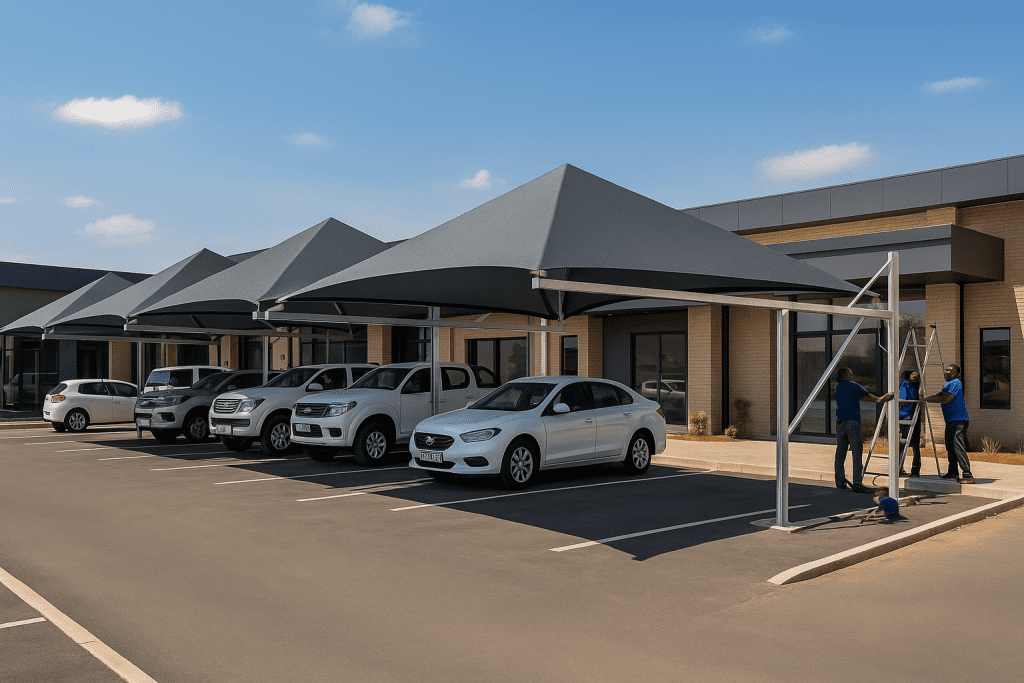
Pyramid carports have become incredibly popular in Gauteng homes, and there’s a good reason why. These structures get their name from the distinctive pyramid-shaped roof that peaks in the center. The design isn’t just pretty to look at—it’s actually super practical for our local weather.

The sloped roof of pyramid carports makes rainwater run off easily, which is a big plus during Gauteng’s heavy summer storms. Water doesn’t collect on top like it might with flatter designs. I’ve installed hundreds of these units over the years, and clients always comment on how much better they look than standard flat carports.

What sets pyramid carports apart from other styles like cantilever carports or IBR carports is the balanced, symmetrical design. They’ve got support posts on all corners, making them really stable in windy conditions. The central peak can be customized in height, which affects both the appearance and drainage capacity.

Most pyramid carports in Gauteng use either galvanized steel or chromadek sheeting for the roof. The steel frame comes in different thickness options (typically 2mm to 3.5mm), which affects the overall strength and price. Some homeowners even opt for decorative elements on the support posts to match their home’s architecture.

The size options are pretty flexible too. Single-vehicle units typically measure about 3m × 5m, while double carports start around 6m × 5m. We can customize these dimensions based on the vehicles you need to protect and the available space on your property.

Installation and Repairs of Pyramid Carports in Gauteng

How Durable Are Carports?

Let’s be honest, nobody wants to spend money on a carport that’ll fall apart after a few years. The durability of carports varies massively depending on materials, installation quality, and local weather conditions.

In Gauteng, a well-built pyramid carport should last at least 15-25 years with proper maintenance. The galvanized steel frames we use resist rust and corrosion, while quality chromadek sheeting doesn’t fade or corrode easily under our harsh sun. I’ve seen properly maintained units still looking great after 20+ years of service.

The thickness of the steel frame makes a big difference in durability. Budget options might use 1.6mm steel, but I don’t recommend going below 2mm for longevity. The premium units with 3mm+ steel frames can withstand serious weather events, including the occasional hail storms we get in Gauteng.

Weather resistance factors to consider:

Weather Factor How Pyramid Carports Handle It
Heavy Rain Excellent (steep slopes for drainage)
Strong Winds Good (with proper anchoring)
Hail Good to Excellent (depending on sheet thickness)
UV Exposure Good (with UV-resistant finishes)
Heat Excellent (provides shade while allowing airflow)

When comparing to other structures, pyramid carports tend to outperform flat shadeports in terms of longevity. The drainage advantage means less water sits on the structure, reducing rust and deterioration risks.

Maintenance plays a huge role in extending carport life. Just hosing down the structure occasionally to remove dust and debris can prevent premature aging. I always tell my clients to check for early signs of rust around joints and bolts—catching these early can add years to your carport’s life.

How Are Carports Anchored to the Ground?

The anchoring system is probably the most overlooked aspect of carport installation, but it’s actually super important. A carport that isn’t properly anchored can become a safety hazard during strong winds.

In Gauteng, we primarily use three anchoring methods:

  1. Concrete Footings – The posts are set into concrete footings that extend below the frost line (typically 400-600mm deep). This is the most secure method and what I recommend for most installations.
  2. Surface Mounting – Metal base plates are bolted to an existing concrete slab using expansion bolts. This works well for wall-mounted carports or when working with existing paving.
  3. Ground Anchors – Specialized metal spikes or augers are driven into the ground. These are less common and generally only suitable for temporary structures.

For pyramid carports specifically, we typically use concrete footings for the corner posts. The size of these footings depends on soil conditions and carport size, but generally, we dig holes about 450mm in diameter and 600mm deep. The concrete needs to cure for at least 48 hours before the frame is attached.

I’ve seen poorly anchored carports lift completely off the ground during strong Gauteng storms. Trust me, you don’t wanna cut corners here! The anchoring system should account for both upward and lateral forces.

Local soil conditions in Gauteng can vary widely from clay to sandy, which affects the anchoring requirements. Clay soils might need wider footings, while sandy soils might need deeper ones. A proper site assessment before installation is essential.

For DIY enthusiasts, the anchoring is definitely the trickiest part. It’s worth getting a professional opinion on your specific site conditions before proceeding. The few extra rands spent on proper anchoring will save thousands in potential damage later.

How Do You Fit a Carport?

Fitting a carport isn’t rocket science, but it does require careful planning and execution. The process typically takes 1-2 days for a standard pyramid carport when done by professionals.

Here’s a simplified breakdown of the installation process:

  1. Site Preparation
    • Mark out the location
    • Check for underground utilities
    • Clear vegetation and obstacles
    • Level the ground if necessary
  2. Foundation Work
    • Dig holes for concrete footings
    • Mix and pour concrete
    • Allow proper curing time (48+ hours)
  3. Frame Assembly
    • Erect support posts
    • Attach horizontal beams
    • Install roof rafters
    • Check all alignments and levels
  4. Roof Installation
    • Attach roof sheeting
    • Install flashing and trim
    • Add any guttering if required
  5. Finishing
    • Final adjustments and tightening
    • Clean-up and waste removal
    • Final inspection

Common mistakes I see in DIY installations include poor alignment of posts (leading to a crooked structure), inadequate bracing, and incorrect roof pitch. The pyramid design requires precise angle calculations to ensure proper fit of the roof sheets.

The tools needed for carport installation include:

  • Post hole digger or auger
  • Concrete mixer
  • Level and plumb bob
  • Tape measure
  • Power drill
  • Angle grinder
  • Adjustable wrench set
  • Ladder or scaffolding

For semi-cantilever carports, the process is slightly different as they combine wall mounting with free-standing supports. These require secure fixing to existing structures, which adds complexity.

If you’re not confident in your DIY skills, hiring professionals is definitely worth considering. A professional installation ensures proper structural integrity and typically comes with some form of warranty. Most Gauteng installers offer free quotes, so you can compare options before committing.

Installation and Repairs of Pyramid Carports in Gauteng

What Is a Carport Entrance?

The carport entrance might seem like a simple concept, but there’s actually quite a bit to consider here. It’s not just about where you drive in—it affects daily usability and the overall look of your property.

A carport entrance refers to the open side(s) of the structure through which vehicles enter and exit. For pyramid carports, you can design single entrances (one open side), double entrances (two opposite sides open), or even multiple entrances depending on your needs.

Factors to consider when planning your carport entrance include:

  • Width clearance – Should be at least 2.4m for single vehicles, 5m+ for double carports
  • Height clearance – Minimum 2.1m, but 2.4m+ is better for SUVs or vehicles with roof racks
  • Approach angle – Consider the turning radius needed to enter comfortably
  • Relationship to house entrance – Ideally aligned with paths to your home
  • Drainage direction – Ensure water runs away from the entrance
  • Security considerations – Position to allow good visibility from house windows

I’ve helped clients integrate their carport entrances with existing driveways and garden pathways. The most successful designs consider the natural flow of movement around the property. For example, a carport entrance that aligns with your kitchen door makes unloading groceries much easier.

In Gauteng’s rainy season, proper drainage around the entrance prevents muddy conditions. This might involve slight grading of the ground, installing drainage channels, or using permeable paving materials.

Some homeowners add decorative features around the entrance, like landscaping or lighting, to enhance the appearance. Solar-powered path lights are particularly popular as they improve visibility and security without additional electrical work.

Installation of Pyramid Carports in Gauteng

The installation process for pyramid carports in Gauteng requires careful planning and execution. Local weather conditions and building regulations add some specific considerations you should know about.

Before installation begins, it’s important to check whether you need municipal approval. In many Gauteng municipalities, structures under a certain size don’t require full building plans, but it’s always worth checking your local regulations. Some estates and complexes have their own rules about carport installations too.

Step-by-step professional installation typically follows this process:

  1. Initial Consultation and Site Assessment
    • Property evaluation and measurements
    • Discussion of design options and positioning
    • Assessment of drainage patterns and soil conditions
    • Quote preparation and material selection
  2. Design Finalization
    • Determine exact dimensions and height
    • Select roof material and color
    • Choose optional extras (gutters, side panels, etc.)
    • Finalize placement on property
  3. Ground Preparation
    • Mark out the installation area
    • Excavate for footings (typically 600mm deep in Gauteng’s soil conditions)
    • Install any necessary drainage components
  4. Concrete Foundation
    • Pour concrete footings
    • Insert anchor bolts or post supports
    • Allow 2-3 days for proper curing (weather dependent)
  5. Frame Construction
    • Erect main support posts (usually 76mm or 101mm diameter steel)
    • Install horizontal beams and rafters
    • Add cross-bracing for stability
    • Check all angles for proper pyramid shape
  6. Roof Installation
    • Attach purlins to support roof sheeting
    • Install roof sheets (chromadek or zinc-aluminum)
    • Add ridge cap and flashing
    • Install guttering if required
  7. Final Touches
    • Apply any touch-up paint to bolts or cut edges
    • Clean up the site completely
    • Final inspection and client walkthrough

The typical timeframe for professional installation in Gauteng is 1-2 days for the structure itself, plus any concrete curing time. Weather delays are common during the rainy season (October to April), so plan accordingly.

Common challenges specific to Gauteng installations include:

  • Rocky ground – Parts of Gauteng have shallow bedrock that can complicate footing excavation
  • Clay soil – Expansive clay soils in some areas require deeper or wider footings
  • Wind considerations – Certain areas experience strong seasonal winds requiring additional bracing
  • Security integration – Many homeowners want carports designed to accommodate security gates or cameras

Costs for professional installation in Gauteng typically range from R9,000 for a basic single carport to R25,000+ for larger custom designs. Factors affecting price include size, material quality, roof type, and optional extras like guttering or lighting.

I always recommend getting at least three quotes from different suppliers before making your decision. The cheapest quote isn’t always the best value—look for companies with good reviews, proper insurance, and a solid portfolio of completed projects in the Gauteng area.

Installation and Repairs of Pyramid Carports in Gauteng

Repairs and Maintenance of Pyramid Carports

Even the best-built pyramid carports need some TLC to keep them looking good and functioning properly. Regular maintenance prevents small issues from becoming expensive repairs.

Common problems that require repairs in Gauteng carports include:

  1. Rust and Corrosion
    • Most common around joints, bolts, and cut edges
    • Often starts as small spots that spread if untreated
    • Can compromise structural integrity if severe
  2. Loose Fasteners
    • Vibration from wind can gradually loosen bolts and screws
    • Results in rattling sounds during windy conditions
    • Creates potential weak points in the structure
  3. Roof Damage
    • Dents from falling branches or severe hail
    • Displaced or loose roof sheets
    • Deteriorated rubber washers causing leaks
  4. Post Movement
    • Shifting due to soil movement or poor initial installation
    • Can cause the entire structure to become unstable
    • Often noticed when the carport starts looking crooked
  5. Gutter Issues
    • Clogging with leaves and debris
    • Incorrect fall causing water pooling
    • Disconnection from downpipes

A simple maintenance schedule I recommend to my clients includes:

Monthly:

  • Visual inspection for any obvious issues
  • Remove debris from roof and gutters
  • Check for any loose fasteners or rattles

Quarterly:

  • Wash the structure with mild soapy water
  • Inspect all joints and connections
  • Check for early signs of rust or corrosion

Annually:

  • Detailed inspection of all structural components
  • Tighten all bolts and fasteners
  • Touch up any paint or protective coating as needed
  • Check and repair any sealants around flashing

For DIY repairs, always ensure you’re using compatible materials. Mixing metals (like aluminum with steel) can actually accelerate corrosion through galvanic reaction. For roof repairs, matching the exact profile of existing sheets is important for both appearance and function.

When it comes to professional repair services in Gauteng, expect to pay around R350-R550 per hour for labor, plus materials. Minor repairs like replacing a few fasteners or small touch-ups might cost R500-R1,000, while major structural repairs could run R3,000-R8,000 depending on the extent of damage.

Signs that indicate you need professional help rather than DIY repairs include:

  • Visible sagging or leaning of the structure
  • Cracks in support posts or main beams
  • Multiple roof sheets that have come loose
  • Significant rust that has compromised structural elements
  • Foundation movement or cracking

For carports over 10 years old, a professional inspection every 2-3 years is a worthwhile investment, even if everything seems fine. Early intervention can extend the life of your carport significantly.

Final Thoughts

Pyramid carports offer a practical and attractive solution for vehicle protection in Gauteng’s challenging climate. Their distinctive design provides excellent drainage, good stability, and an appealing aesthetic that complements most architectural styles.

Whether you’re considering installation of a new carport or maintaining an existing one, understanding the key aspects of design, materials, and proper construction techniques will help ensure you get a structure that lasts for decades rather than years.

For those in Gauteng looking for professional assistance with pyramid carport installation or repairs, contact qualified local specialists who understand the region’s specific challenges and requirements. The investment in professional installation typically pays for itself through longer service life and fewer problems down the road.

Remember that proper maintenance is essential regardless of how well your carport was initially installed. Simple regular checks and prompt attention to minor issues will keep your carport functioning properly and looking great for many years to come.

Frequently Asked Questions

How much does a pyramid carport cost in Gauteng?

Prices in Gauteng typically range from R9,000 for a basic single carport to R25,000+ for larger custom designs with premium materials. Factors affecting cost include size, material quality, and optional extras like guttering or side panels.

Do I need permission to install a carport in Gauteng?

Many municipalities in Gauteng don’t require full building plans for carports under a certain size (typically 40m²), but regulations vary by area. Always check with your local municipality before installation. Housing estates and complexes often have their own additional regulations.

How long does it take to install a pyramid carport?

Professional installation typically takes 1-2 days for the structure itself, plus 2-3 days for concrete foundations to cure properly. Weather conditions and site preparation requirements can extend this timeframe.

Can I install a pyramid carport myself?

While DIY installation is possible for those with good construction skills, professional installation ensures proper structural integrity and typically comes with warranties. The most challenging aspects for DIYers are usually foundation work and achieving the correct roof angles.

What is the best material for a pyramid carport in Gauteng’s climate?

Galvanized steel frames with chromadek roof sheeting offer the best durability in Gauteng’s climate. The chromadek provides excellent UV resistance while the galvanized steel resists rust and corrosion.

How do I maintain my pyramid carport?

Regular maintenance includes removing debris from the roof and gutters, washing the structure periodically with mild soapy water, checking for loose fasteners, and inspecting for early signs of rust or corrosion. Annual tightening of all bolts and fasteners is also recommended.

Can a pyramid carport be relocated?

Yes, professionally installed carports can usually be disassembled and relocated, though some components like concrete footings will need to be replaced. The cost of relocation is typically 50-70% of a new installation.

What colors are available for pyramid carports?

Most suppliers in Gauteng offer a range of standard colors including white, charcoal, light grey, brown, and green. Custom colors are available from some suppliers at additional cost. Color choice affects both aesthetics and heat absorption, with lighter colors staying cooler in Gauteng’s hot climate.

Installation and Repairs to Cantilever Carports in Gauteng

Key Takeaways

  • Cantilever carports cost between R7,500-R15,000 in Gauteng depending on size and materials
  • Installation typically takes 1-2 days for professional teams
  • Most residential carports don’t need council approval if under 40m²
  • Regular maintenance extends carport lifespan up to 15+ years
  • Local Gauteng companies offer specialized repair services for bent frames and damaged roofing
  • Semi-cantilever designs provide better stability for windy areas

What Are Cantilever Carports and Why Choose Them for Your Gauteng Home?

Ever wondered why your neighbors keep putting up those fancy carports with the single-side support? They’re actually called cantilever carports, and they’ve become super popular in Gauteng homes for good reason.

Cantilever carports are structures that protect vehicles from sun damage, hail, and rain while using a unique design where the roof extends from just one side. This gives you an open, unobstructed parking space without those annoying middle poles that you might bang your car door against. In Gauteng’s harsh summer sun and occasional hailstorms, these structures offer brilliant protection without taking up too much space.

The main benefits of cantilever designs include:

  • Maximum parking space – no middle poles means easier parking
  • Modern appearance – sleek design complements contemporary homes
  • Customizable sizes – can cover 1-3 vehicles depending on your needs
  • UV protection – blocks harmful rays that damage vehicle paint

Local Gauteng homeowners often choose cantilevers over traditional designs cause they look better and work great with our climate. I’ve installed hundreds over the years, and clients always mention how much they love the open feeling compared to standard carports.

Installation and Repairs to Cantilever Carports in Gauteng

Are Cantilever Carports Any Good for Gauteng Weather Conditions?

Cantilever carports are actually pretty fantastic for Gauteng’s weather conditions, but they got their strengths and weaknesses you should know about.

The biggest advantage in our local climate is their excellent sun protection. Gauteng gets intense sunshine most of the year, and cantilever designs provide solid shade that keeps vehicles cooler and prevents paint from fading. During our summer thunderstorms, they also offer good protection against moderate rain and can handle the occasional hailstorm if built with quality materials.

However, one thing to consider is wind resistance. The single-sided support system, while visually appealing, doesn’t always stand up to extreme winds as well as traditional four-post designs. This isn’t usually a problem in most Gauteng areas, but if you live in a particularly windy location, you might wanna consider a semi-cantilever design instead.

Durability factors for cantilever carports in Gauteng:

Factor Performance Notes
Sun protection Excellent Prevents UV damage to vehicles
Rain resistance Good Adequate for typical Gauteng downpours
Hail protection Good Depends on roofing material quality
Wind resistance Fair May need reinforcement in very windy areas
Lifespan 10-15+ years With proper maintenance and quality installation

From my experience working with hundreds of Gauteng homeowners, those who invest in quality materials and professional installation typically see their cantilever carports last well over a decade with minimal problems.

Professional Installation Process for Cantilever Carports in Gauteng

Getting a cantilever carport installed right ain’t something you wanna cut corners on. The process seems simple, but trust me, there’s more to it than most people realize.

First off, a good installer will start with a site assessment. They’ll check the ground conditions, measure the area properly, and figure out the best positioning based on your property layout and the sun’s path. This step is super important cause it affects everything that follows.

Next comes the foundation work. For cantilever designs, this is critical since all the weight hangs off one side. Concrete footings need to be deeper and stronger than with regular carports. A typical installation follows these steps:

  1. Mark out positions for support posts
  2. Dig holes at least 600mm deep for main support poles
  3. Mix and pour concrete foundations
  4. Allow 24-48 hours for concrete to set properly
  5. Erect the main support structure
  6. Attach cross beams and roof supports
  7. Install roofing material (usually IBR sheeting or polycarbonate)
  8. Add finishing touches and clean up

The whole process usually takes 1-2 days with a professional team, dependin on the size and complexity of your carport.

From what I’ve seen over the years, most DIY cantilever carport installations end up with problems down the line – usually leaning or roof issues after a few months. That’s why I always recommend getting pros like Pronet Shadeports Gauteng to handle the job. They know the local conditions and building requirements specific to our region.

Installation and Repairs to Cantilever Carports in Gauteng

How Much Are Cantilever Shadeports in South Africa?

The price question – it’s what everyone wants to know but the answer isn’t always straightforward. Cantilever shadeports in South Africa generally cost between R7,500 and R15,000, but there’s a lot that affects that range.

In Gauteng specifically, cantilever carport prices tend to be competitive due to the number of suppliers in the area. However, several factors influence what you’ll actually pay:

  • Size: A single-vehicle cantilever starts around R7,500 while a triple might cost R15,000+
  • Materials: Galvanized steel frames cost more than standard options but last longer
  • Roofing type: IBR sheeting is cheaper than polycarbonate or chromadek
  • Height: Taller structures for larger vehicles cost more
  • Installation complexity: Sloped ground or difficult access increases labor costs

It’s worth comparing quotes from different suppliers, but be careful of prices that seem too good to be true. I’ve seen many instances where super cheap installations ended up costing more in repairs within a year or two.

For most standard single-vehicle cantilever carports in Gauteng suburbs, you’re looking at roughly:

Component Cost Range
Materials R5,000-R8,000
Labor R2,000-R3,500
Total R7,000-R11,500

If you’re considerin alternatives, IBR carports or pyramid carport designs might offer different price points depending on your specific needs and preferences.

Do Carports Need Council Approval in SA?

The rules about council approval for carports are somethin that confuses a lot of homeowners in South Africa. The short answer is: it depends on the size and your location.

In most parts of Gauteng, including Johannesburg and Pretoria, carports under 40m² generally don’t require full council approval. However, you might still need to notify your local municipality about the structure. This is what’s often called “minor building work” in regulations.

But here’s where it gets tricky – different municipalities have their own specific requirements. Some important considerations include:

  • Size limitations: Structures over 40m² almost always need full building plans
  • Property boundaries: Carports built near property lines may need neighbor consent
  • Heritage areas: Special restrictions apply in heritage-protected neighborhoods
  • Home Owners Associations: Many estates and complexes have their own approval processes

From my experience helping clients navigate these requirements, it’s always better to check with your local council before starting construction. The penalty for building without required approvals can be steep – including fines and even demolition orders in extreme cases.

A professional carport installer like Pronet Shadeports Gauteng will usually help with understanding what permissions you need for your specific property and can sometimes assist with the application process if required.

For peace of mind, I recommend at least notifying your municipality with a simple letter stating your intentions, even for smaller carports that might not need formal approval.

How Much is a Carport in South Africa?

When it comes to general carport prices in South Africa, you’ve got options across different price ranges depending on what style and quality you’re after.

Basic carports start around R5,000 for a single-vehicle structure with standard materials, while high-end custom designs can easily reach R25,000 or more. In Gauteng specifically, prices tend to be competitive due to the large number of suppliers in the region.

Different carport styles come with different price tags:

The biggest factors affecting price include size (single vs double vs triple), materials (standard steel vs galvanized), roofing type (IBR, polycarbonate, Chromadek), and whether you need extras like gutters and downpipes.

I’ve noticed that shadeport prices in Gauteng can vary quite a bit between providers, so it’s worth getting at least three quotes before making a decision. Just remember that the cheapest quote isn’t always the best value – I’ve seen plenty of budget installations that needed complete replacement within 2-3 years.

Common Repair Issues for Cantilever Carports in Gauteng

Let’s talk about what goes wrong with cantilever carports in Gauteng – cause knowing these common issues might save you some headaches down the road.

The most frequent problem I see in my repair work is structural bending. Because cantilever designs support weight from just one side, the main support posts can start to lean over time, especially if the foundation wasn’t done properly. This typically happens gradually, so you might not notice until the roof starts to sag or collect water in pockets.

Other common issues include:

Roof-related problems:

  • Loose roof sheets after strong winds
  • Rust developing around fasteners
  • Water leakage through inadequately sealed joints
  • Polycarbonate sheets becoming brittle from UV exposure

Structural issues:

  • Concrete footings cracking or lifting
  • Support poles bending under weight
  • Cross beams sagging over time
  • Weld points failing at critical junctions

The good news is that most of these problems can be fixed without replacing the entire structure. For minor issues like loose roofing, a simple maintenance visit is usually enough. For structural problems, reinforcement or partial replacement of components often works well.

Preventative maintenance really makes a difference. I recommend having your cantilever carport checked every 2-3 years by professionals who understand these specific designs. Companies like Pronet Shadeports Gauteng offer maintenance services that can extend the life of your carport significantly.

From what I’ve seen, carports that receive regular maintenance easily last 5-7 years longer than those that are neglected until something major goes wrong.

Installation and Repairs to Cantilever Carports in Gauteng

Choosing Between Different Carport Styles for Your Gauteng Property

Picking the right carport style for your property isn’t just about looks – it’s about what works best for your specific situation in Gauteng.

Cantilever carports are popular for their modern appearance and unobstructed parking space, but they’re not always the best choice for every property. Here’s how different styles compare:

Cantilever carports work best when:

  • You want a contemporary, clean look
  • You need maximum parking width without center poles
  • Your property has good ground stability for deep foundations
  • Wind conditions aren’t too severe

Semi-cantilever designs offer a good middle ground:

  • Better stability than full cantilevers
  • Still provides relatively unobstructed parking
  • Works well in slightly windier conditions
  • Requires less foundation work

Wall-mounted carports are ideal when:

  • Space is limited
  • You want to extend protective coverage from an existing structure
  • Your wall structure is strong enough to support partial weight

Pyramid style carports suit properties where:

  • Aesthetic appeal is particularly important
  • You want better rainwater runoff
  • Traditional styling fits better with your home architecture

For most modern homes in Gauteng suburbs, cantilever or semi-cantilever designs tend to complement the architecture best. But I’ve found that older homes sometimes look better with pyramid styles that match their more traditional appearance.

Consider your property’s exposure to sun and weather too. In very open, windy areas, a semi-cantilever or standard four-post design might be more practical than a full cantilever.

Maintenance Tips to Extend the Life of Your Cantilever Carport

Maintaining your cantilever carport doesn’t have to be complicated, but a bit of regular care makes a huge difference to how long it’ll last in Gauteng’s climate.

The single most important maintenance task is checking and tightening fasteners. The expansion and contraction from our hot days and cool nights means screws and bolts gradually work themselves loose. I suggest checking all visible fasteners every 6 months and tightening anything that’s become loose.

Here’s a simple maintenance schedule that works well for Gauteng conditions:

Every 3 months:

  • Remove leaves and debris from the roof surface
  • Check for any water pooling areas on the roof
  • Clean gutters if you have them installed

Every 6 months:

  • Tighten all visible fasteners and bolts
  • Look for early signs of rust on metal components
  • Check support poles for any leaning or movement

Annually:

  • Wash the roof sheets with mild soap and water
  • Inspect welds and joint points for any cracks
  • Check concrete footings for any signs of cracking
  • Apply touch-up paint to any scratched areas on the frame

If you notice the support posts starting to lean even slightly, don’t ignore it. This is often the first sign of a developing structural issue and is much easier to fix early. Most professional installers like Pronet Shadeports Gauteng offer inspection services that can catch problems before they become serious.

One tip I share with all my clients – avoid letting climbing plants grow on your carport structure. While it might look nice, the extra weight and moisture retention can lead to premature rusting and structural stress.

Frequently Asked Questions

How long does a cantilever carport installation take in Gauteng?

Most professional cantilever carport installations in Gauteng take 1-2 days to complete. The foundation work usually takes half a day, followed by a 24-hour waiting period for concrete to set, and then another half to full day for erecting the structure and installing the roof.

Can existing carports be converted to cantilever designs?

In most cases, existing traditional carports cannot be easily converted to cantilever designs due to the fundamentally different foundation and support requirements. It’s usually more cost-effective to remove the old structure and install a new cantilever carport.

What warranty can I expect on a new cantilever carport in Gauteng?

Most reputable companies in Gauteng offer 1-3 year warranties on workmanship and 5-10 year warranties on materials, depending on the quality grade chosen. Always get the warranty terms in writing before proceeding with installation.

Are cantilever carports suitable for large vehicles like RVs or boats?

Cantilever carports can be designed for larger vehicles, but they require significantly stronger support structures and deeper foundations. For very large vehicles, semi-cantilever designs often provide better stability while still offering good access.

Do cantilever carports affect home resale value in Gauteng?

Well-designed and professionally installed cantilever carports typically add value to homes in Gauteng, especially in areas with intense sun exposure or frequent hail. However, poorly constructed carports or those built without necessary approvals might detract from property value.

Installation and Repairs of IBR Carports in Gauteng

Key Takeaways

  • IBR carports offer superior strength and durability compared to other types
  • Council approval is typically required for permanent carport structures in South Africa
  • Professional installation costs range from R12,000 to R35,000+ depending on size and materials
  • Standard single carport dimensions are roughly 3m x 6m, while double carports are 6m x 6m
  • A proper foundation is essential for long-term structural stability
  • Regular maintenance extends the lifespan of your IBR carport by 10+ years

What are IBR Carports?

IBR carports have become super popular in Gauteng homes, and there’s good reason for it. IBR (Inverted Box Rib) refers to the specific profile of metal sheeting used for these structures. Unlike your typical flat roof options, IBR sheets have a distinctive wave-like pattern that gives them extra strength and makes them perfect for our sometimes crazy Gauteng weather.

What makes IBR different from other carport materials? The metal sheets are pressed into a specific pattern that creates channels for water runoff while also increasing the structural integrity. This design isn’t just for show – it actually helps the carport handle heavy rain, resist strong winds, and even stand up to small hail. You’ll find that most IBR carports in Gauteng are made from galvanized steel that’s been painted or coated to prevent rust.

ProNet Shade Ports Gauteng specializes in various carport designs, including IBR options that combine practicality with visual appeal. The thickness of IBR sheets typically ranges from 0.4mm to 0.8mm, with the thicker options providing better durability but at a higher cost. Most homeowners go for the middle option (0.5mm or 0.6mm) for a good balance of strength and affordability.

These carports aren’t just functional – they can also look really nice when properly designed. The range of available colors means you can match your carport to your home’s existing color scheme. And unlike some other carport materials, IBR doesn’t fade as quickly in our harsh South African sun.

Installation and Repairs of IBR Carports in Gauteng

Do Carports Need Council Approval in SA?

Yes, most carport installations do need council approval in South Africa, but the exact requirements vary depending on where you live. This is a question lots of homeowners ask, and it’s an important one to get right.

For permanent structures like IBR carports, you’ll typically need to submit building plans to your local municipality for approval before starting construction. The plans need to show exactly how the carport will be built, what materials will be used, and where it’ll be located on your property. In Gauteng specifically, you should check with your local council as regulations can differ between Johannesburg, Pretoria, and smaller municipalities.

Some councils have rules about how close structures can be to property boundaries – usually they must be at least 1 meter away from side boundaries and 1.5 meters from the street boundary. There’s also often a limit on how much of your property can be covered by structures.

The approval process can take anywhere from a few weeks to a couple months, so it’s important to plan ahead. If you build without proper approval, you might face fines or even be forced to remove the structure completely.

Some smaller, temporary carports might not need full council approval, but it’s always best to check rather than assume. ProNet Shade Ports Gauteng can help navigate the approval process as part of their installation service.

One thing to be aware of – if you live in an estate or complex with a Homeowners Association (HOA), you’ll probably need their approval too, even if the council doesn’t require it. HOAs often have their own rules about what carports can look like to maintain the overall appearance of the neighborhood.

Do I Need a Foundation for a Carport?

Absolutely, you need a foundation for an IBR carport – this isn’t something you wanna skip! The foundation is basically the whole thing that keeps your carport standing straight and secure for years to come.

For IBR carports in Gauteng, there are a few foundation options that work well:

  • Concrete footings: These are holes dug at each post position, filled with concrete. The posts are then embedded directly in these footings.
  • Concrete slab: A full concrete slab underneath the entire carport area, providing maximum stability.
  • Paved base with post footings: A combination approach where the ground is paved, and concrete footings support the posts.

The type of soil in your area plays a big role in determining what foundation you’ll need. Gauteng has varied soil conditions – some areas have expansive clay soils that move a lot with moisture changes, while others have more stable ground. A professional installer will assess your specific site before recommending a foundation solution.

What happens if you try to skip the foundation? Your carport might seem fine at first, but over time, you’ll likely notice posts starting to lean, the roof becoming uneven, or the entire structure becoming unstable. During heavy rain or strong winds, an inadequately anchored carport could even become dangerous.

The cost of creating a proper foundation is typically included in quotes from professional installers like ProNet Shade Ports Gauteng, but it’s always good to confirm this detail when getting estimates.

For DIY enthusiasts, the foundation is the most technical part of the installation and requires careful measurement and leveling. If you’re not confident in your ability to create a proper foundation, it’s worth hiring professionals at least for this portion of the project.

How Much Does a Carport Cost in South Africa?

The cost of carports in South Africa varies quite a bit depending on several factors. For IBR carports specifically, prices in 2025 typically range from R12,000 for a basic single carport up to R35,000 or more for larger, more complex designs.

Here’s a breakdown of what affects the price:

Factor Impact on Cost
Size Single carports (3m x 6m) cost 40-50% less than double carports (6m x 6m)
Material thickness 0.4mm IBR sheets cost about 20% less than 0.6mm sheets
Height Higher clearance increases cost by 15-25%
Finishing Painted vs. galvanized finishes affect price by 10-15%
Foundation type Concrete slab foundations add 25-30% compared to simple footings

The cheapest options are typically shadeport structures which use fabric instead of IBR sheeting, starting around R7,000-R10,000. Traditional IBR carports start around R12,000 for single options and R20,000 for double carports with standard features.

For something with more features, like a cantilever carport (which doesn’t have posts at the front), expect to pay a premium of 20-30% over standard designs due to the more complex engineering required. Similarly, pyramid carports with their distinctive roof shape tend to cost 15-20% more than flat-roofed versions.

Installation costs are usually included in the quoted price, but some companies charge separately for this. Always check if the quote includes:

  • Council approval assistance
  • Foundation preparation
  • Material delivery
  • Labor costs
  • Cleanup after installation

Most reputable companies in Gauteng offer warranties ranging from 1-5 years on both materials and workmanship. It’s sometimes worth paying a bit more for a company offering a longer warranty period.

For budget-conscious homeowners, semi-cantilever carports offer a middle ground between standard and full cantilever designs, with prices sitting about 10-15% higher than standard models but less than full cantilever options.

Installation and Repairs of IBR Carports in Gauteng

What is the Standard Carport Size in South Africa?

The standard carport sizes in South Africa are pretty consistent, but they do vary based on how many cars you need to accommodate and sometimes the specific vehicles you own. Knowing the right size is really important before you start gettin’ quotes.

For a single carport, the typical dimensions are:

  • Width: 3.0 to 3.5 meters
  • Length: 5.0 to 6.0 meters
  • Height: 2.1 to 2.4 meters (at the lowest point)

Double carports usually measure:

  • Width: 5.5 to 6.0 meters
  • Length: 5.0 to 6.0 meters
  • Height: Same as single carports

These dimensions allow enough space for standard vehicles, with room to open doors and move around the car. However, if you have larger vehicles like SUVs, bakkies, or vans, you might want to consider custom dimensions. For example, many SUV owners opt for slightly wider carports (3.5 to 4.0 meters) and higher clearance (2.4 to 2.7 meters).

Clearance height is especially important to consider. The standard 2.1 to 2.4 meters works for most sedans and hatchbacks, but if you have roof racks, a high vehicle, or might want to park something taller in the future, going with extra height is a good idea.

For wall-mounted carports, the dimensions might be slightly different since they attach to an existing wall on one side. These typically save about 0.5 meters in width compared to free-standing options.

When measuring for your carport, remember to account for:

  • Vehicle dimensions plus door opening space (approximately 1 meter on each side)
  • Space to walk around the vehicle (at least 0.5 meters)
  • Any additional storage you might want underneath the carport
  • Slope of the land and drainage requirements

Most professional installers will visit your property to take measurements and recommend the best size for your specific needs and space constraints.

IBR Carport Installation Process in Gauteng

The installation process for IBR carports follows several key steps to ensure a sturdy, long-lasting structure. Understanding this process helps you know what to expect when you hire professionals or if you’re brave enough to tackle a DIY project.

First up, site preparation is crucial. This involves clearing the area of any obstacles, vegetation, or debris that might interfere with the installation. The ground needs to be relatively level, though slight slopes can be accommodated for drainage purposes. Most Gauteng installers will start by marking out the exact position of the carport using string lines and measuring tools.

Next comes the foundation work. For most IBR carports, concrete footings are created for each support post. Holes are dug to below frost line (usually 500mm deep in Gauteng) and filled with concrete. Some installations might require a full concrete slab instead, especially for larger structures or in areas with problematic soil conditions.

Once the concrete has cured (usually 24-48 hours), the frame construction begins. Steel or aluminum posts are secured to the footings, either by being cast directly into the concrete or attached using post brackets. The horizontal beams are then attached to create the basic frame structure. This is when the installer makes sure everything is perfectly level and square.

The roof structure comes next. Purlins (horizontal supports) are attached perpendicular to the main beams to create the framework that will support the IBR sheets. The spacing of these purlins is critical and depends on the thickness of the IBR sheets being used.

Finally, the IBR sheets are carefully positioned and secured to the purlins using special roofing screws with rubber washers that prevent leaking. Overlapping between sheets must be done correctly to ensure proper water runoff. Flashing and guttering might be added at this stage if included in your design.

The whole process typically takes 2-3 days for a standard carport, though larger or more complex designs might take longer. Weather can also affect the timeline, as concrete curing requires dry conditions and working with large metal sheets in high winds can be dangerous.

Professional installers will also handle the cleanup, removing all construction debris and ensuring the area is left neat and tidy. They should provide you with information about maintenance and care for your new carport before they leave.

Maintaining and Repairing Your IBR Carport

Keeping your IBR carport in good shape isn’t hard, but it does need a bit of regular attention. With proper maintenance, these structures can easily last 15-20 years or more in Gauteng’s climate.

One of the most important maintenance tasks is simply keeping the roof clean. Leaves, twigs, and other debris can collect on the roof surface and in the channels of the IBR sheeting. This debris traps moisture, which can lead to corrosion over time. A simple rinse with a garden hose every few months is usually enough to keep things clean, though you might need to climb up there carefully to remove stuck debris occasionally.

Check for loose fasteners and screws at least once a year. The expansion and contraction of metal in Gauteng’s fluctuating temperatures can cause screws to loosen over time. Tightening them is a simple task that prevents bigger problems later on. If you notice any missing or damaged screws, replace them immediately with proper roofing screws that include rubber washers.

Keep an eye out for early signs of rust or corrosion, especially at cut edges and where sheets overlap. These areas are most vulnerable to moisture penetration. Small rust spots can be treated with rust converter products followed by touch-up paint that matches your carport color. Catching these early prevents the need for more extensive repairs later.

For more serious issues like bent or damaged IBR sheets from falling branches or severe weather, replacement might be necessary. Individual sheets can usually be replaced without disturbing the entire structure, though this is typically a job for professionals unless you have experience working with metal roofing.

The supporting structure also needs attention. Check for any signs of post movement or leaning, which could indicate foundation issues. Posts should be straight and firmly anchored. If you notice a post becoming loose or leaning, it’s best to call in professionals to assess and repair the foundation before the problem worsens.

Gutters, if installed, should be kept clear of debris and checked for proper water flow during rains. Poor drainage can lead to water damage around the foundation of your carport.

For painted surfaces, expect to need a fresh coat every 5-7 years to maintain appearance and protection. When repainting, make sure to use paint specifically designed for metal surfaces and appropriate for outdoor use. Proper preparation including cleaning and light sanding of the surface will ensure better paint adhesion and longer-lasting results.

Installation and Repairs of IBR Carports in Gauteng

Frequently Asked Questions

How long does it take to install an IBR carport?

Installation typically takes 2-3 days for a standard carport, depending on size and complexity. Weather conditions and soil type can affect this timeframe.

Can I install an IBR carport myself?

While DIY installation is possible for those with construction experience, professional installation ensures proper structural integrity and compliance with local regulations. The foundation work particularly requires specific knowledge and equipment.

How long will an IBR carport last in Gauteng?

With proper maintenance, an IBR carport can last 15-20 years or more. The galvanized coating provides excellent protection against Gauteng’s climate.

Can IBR carports withstand heavy rain and hail?

Yes, IBR sheeting is designed specifically to handle heavy rainfall, and the corrugated design provides good strength against hail. Thicker gauge sheeting (0.6mm or 0.8mm) offers better protection against larger hailstones.

Are IBR carports noisy during rain?

IBR sheeting can be somewhat noisy during heavy rain compared to tile or thatch alternatives. However, insulation options are available that can significantly reduce noise.

Can I extend my IBR carport in the future?

Yes, most IBR carports can be extended or modified later. It’s best to discuss potential future expansions with your installer during the initial design phase.

Do IBR carports increase property value?

Well-designed and professionally installed carports typically add value to properties in Gauteng, offering protection for vehicles while improving the property’s appearance and functionality.

Can solar panels be installed on an IBR carport roof?

Yes, IBR carports can be designed to support solar panels, though this may require additional structural support and should be planned during the initial design phase.

What maintenance does an IBR carport require?

Regular cleaning, checking for loose fasteners, addressing any rust spots promptly, and repainting every 5-7 years are the main maintenance requirements.

Can IBR carports be insulated?

Yes, insulation can be added beneath the IBR sheeting to reduce heat transfer and noise. This is particularly valuable in Gauteng’s hot climate.

Installation and Repairs of Shadeports in Gauteng

Installation and Repair of Semi-Cantilever Carports in Gauteng
Key Takeaways

  • Semi-cantilever carports cost between R9,000 and R15,000 in Gauteng, depending on size and materials
  • Professional installation takes 1-2 days while DIY installation may take 3-4 days
  • You generally need municipal approval for permanent carport structures in South Africa
  • Regular maintenance extends carport lifespan by up to 15 years
  • Local experts recommend galvanized steel frames for Gauteng’s climate conditions
  • Most common repairs involve fixing roof sheets and painting rust-prone areas

What Are Semi-Cantilever Carports?

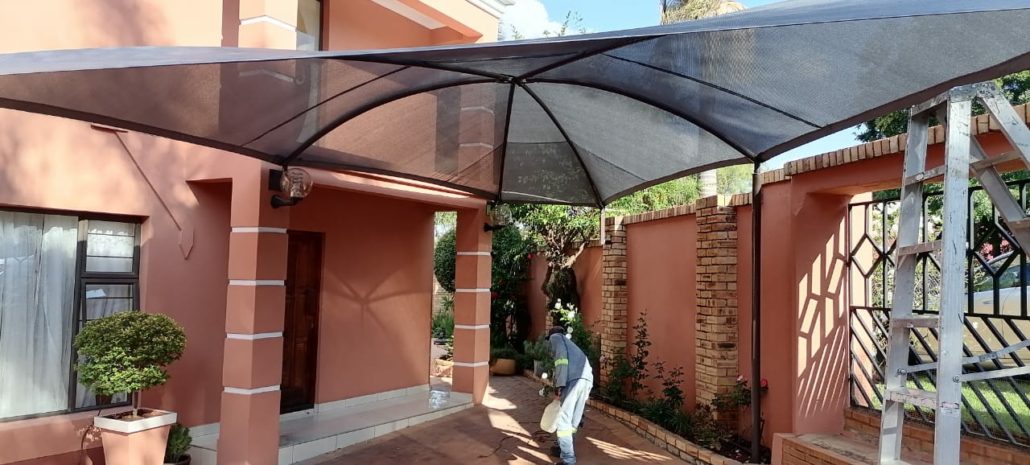
Semi-cantilever carports are unique structures that protect vehicles from harsh weather. They’re called “semi-cantilever” cause they use a combination of support styles – part of the structure extends outward from a single row of posts (the cantilever part), while the other side has traditional support posts. This design gives you more space to open car doors on one side while still providing good stability.

I’ve been installing carports in Gauteng for over 12 years, and semi-cantilevers are getting more popular every year. They give you that balance between aesthetics and practicality that many homeowners want. The semi-cantilever design is particularly good for narrow driveways or situations where you need to maximize your parking area.

The main components of a semi-cantilever carport include:

  • Primary support posts (usually on one side)
  • Horizontal support beams
  • Cantilever arms extending from the main posts
  • Roof sheeting (typically IBR or polycarbonate)
  • Foundation footings
  • Fasteners and connectors

Each of these parts plays an important role in the overall structure. The cantilever arms are specially engineered to support weight without posts on one side, which gives you that open, accessible feeling that makes these carports so practical.

Installation and Repair of Semi-Cantilever Carports in Gauteng

Planning Permission Requirements for Carports in South Africa

Do you need planning permission for a carport in South Africa? The short answer is: usually, yes. Most municipalities in Gauteng require approval for permanent structures like carports. This isn’t just bureaucracy – it’s about ensuring safety standards and neighborhood aesthetics.

I remember helping a client in Centurion who skipped getting permits. Six months after installation, they got a notice from the municipality ordering them to either get retrospective approval or remove the structure. The approval process cost them double in the end!

Here’s what you typically need for municipal approval:

  • Building plans drawn by a qualified person
  • Site plans showing the location of the carport
  • Application forms from your local municipality
  • Payment of application fees
  • Neighbor consent forms in some areas

The process takes about 3-6 weeks in most Gauteng municipalities. While some smaller temporary structures might not need formal approval, anything permanent or attached to your house almost certainly will. Check with your local authority before proceeding.

For expert advice on navigating these requirements, you can contact us for guidance specific to your area.

Advantages of Semi-Cantilever Carports

Are cantilever carports any good? From my experience installing hundreds of carports across Gauteng, semi-cantilever designs offer several significant advantages over traditional carports.

The biggest benefit is the accessibility they provide. With fewer posts on one side, you get more space to open car doors without worrying about dinging them against a post. This makes them perfect for families with young kids who need extra space when getting in and out of vehicles.

Other major advantages include:

  • Better water drainage compared to flat carports
  • More design flexibility for awkward spaces
  • Enhanced aesthetic appeal with their modern look
  • Ability to install against existing walls or structures
  • Greater stability in high winds than full cantilever designs

A client in Sandton switched from a traditional carport to a semi-cantilever design last year. They told me the difference was immediate – not just in looks but in how much easier it was to use the space. Their property value actually increased after the installation!

Semi-cantilevers do cost a bit more than standard designs, but the benefits usually outweigh the extra expense. They’re particularly valuable if you have limited space or want something that looks more architecturally interesting.

DIY vs Professional Installation

Can you install a carport yourself? Technically yes, but there are important factors to consider.

I’ve seen many DIY installations go wrong over the years. One homeowner in Midrand tried to save money by installing his own semi-cantilever carport. The structure collapsed after the first heavy rainfall because he didn’t properly calculate the load-bearing requirements for the cantilever section.

Here’s an honest comparison between DIY and professional installation:

Aspect DIY Installation Professional Installation
Cost R4,000-R8,000 in materials R9,000-R15,000 all-inclusive
Time 3-4 days (weekends) 1-2 days
Tools Required Concrete mixer, post hole digger, power tools, ladders None (provided by installer)
Warranty None 1-5 years typically
Risk High (structural failure, injury) Low (insured work)
Compliance You handle permits Often handled by company

If you’re experienced with construction and have the right tools, DIY is possible. But for most people, the professional installation ends up being worth the extra cost.

The semi-cantilever design is trickier than standard carports because the cantilever section needs precise engineering to support weight properly. Getting this wrong can lead to dangerous situations, specially during Gauteng’s sometimes extreme weather.

Cost Breakdown for Semi-Cantilever Carports in Gauteng

How much does it cost to build a carport in South Africa? For semi-cantilever carports specifically in Gauteng, prices typically range from R9,000 for a small single vehicle structure to R20,000+ for larger designs with premium materials.

Based on hundreds of installations I’ve overseen, here’s a detailed breakdown of costs:

Materials Cost:

  • Steel framework: R3,500-R6,000
  • Roof sheeting (IBR or polycarbonate): R2,000-R4,500
  • Concrete for footings: R500-R1,000
  • Fasteners and connectors: R300-R600
  • Paint and finishings: R400-R1,200

Labor Cost:

  • Professional installation: R2,500-R4,000
  • Design and planning: R800-R1,500
  • Municipal applications (if handled by company): R600-R1,200

The final price depends heavily on size, materials, and any customizations. For example, adding gutters and downpipes will add R1,200-R2,000 to the total cost. Polycarbonate roofing instead of IBR sheeting adds about 40% to the roof material costs but provides better light transmission.

For accurate pricing tailored to your specific requirements, check out our semi-cantilever carport prices page.

Installation Process Step-by-Step

The installation of a semi-cantilever carport involves careful planning and precise execution. For those considering the DIY route or just wanting to understand what professionals will be doing, here’s the complete process:

  1. Site Preparation and Marking Out
    • Clear the area of any obstacles
    • Mark post positions using string lines and measuring tape
    • Ensure the area is level or plan for drainage slopes
  2. Digging Foundation Holes
    • Dig holes for posts (typically 400mm x 400mm and 600mm deep)
    • Larger holes are needed for the main support posts on the cantilever side
  3. Preparing and Setting Posts
    • Assemble the main frame components
    • Mix concrete (1:2:3 ratio of cement, sand, stone)
    • Position posts with temporary bracing
    • Pour concrete and ensure posts are perfectly vertical using spirit levels
  4. Installing Support Beams and Cantilever Arms
    • Once concrete has cured (24-48 hours), attach main support beams
    • Install the cantilever arms at calculated angles
    • Secure all connections with appropriate bolts and brackets
  5. Adding Roof Purlins
    • Install horizontal roof purlins across the frame
    • Space them according to roof sheet specifications (usually 700-900mm apart)
  6. Attaching Roof Sheeting
    • Carefully position roof sheets with minimum 150mm overlaps
    • Secure using roofing screws with rubber washers
    • Install ridge capping and flashings where required
  7. Finishing Touches
    • Apply anti-rust paint to any exposed metal
    • Install gutters and downpipes if required
    • Clean up the site and remove debris

The most critical part of installing a semi-cantilever carport is getting the structural calculations right for the cantilever section. The cantilever arms must be properly sized and secured to handle the load without sagging or failing.

Many homeowners prefer to use professional services from specialists in carport installation in Gauteng to ensure structural integrity and compliance with local building codes.

Installation and Repair of Semi-Cantilever Carports in Gauteng

Common Repair Issues and Solutions

Even the best carports need repairs eventually. In my experience, most repairs for semi-cantilever carports in Gauteng fall into a few categories:

Roof Leaks and Damage

The most common problem I see is leaking at the sheet overlaps. This usually happens when fasteners aren’t properly installed with rubber washers or when sheets shift over time.

Solution: Replace damaged fasteners with new roofing screws that have proper rubber seals. For severe cases, applying silicone sealant at overlaps can help. Sometimes, replacing damaged sheets is necessary.

Rust and Corrosion

Gauteng’s summer rains can cause rust on steel components, especially at cut edges or scratched areas.

Solution: Sand down rusted areas to bare metal, apply rust converter, then paint with good quality metal paint. For prevention, repaint metal components every 2-3 years.

Structural Sagging

The cantilever section can start sagging if not properly engineered or if it’s carrying more load than designed for (like after heavy snowfall or if someone has climbed on it).

Solution: Add additional support posts temporarily, then reinforce the cantilever arms with stronger bracing or replace them entirely if needed.

Foundation Movement

Soil movement during heavy rains can cause post foundations to shift.

Solution: For minor movement, adding concrete around existing footings can help. For major issues, posts may need to be reset with larger footings.

Wind Damage

Strong winds occasionally hit Gauteng, and carports with large surface areas can catch this wind like a sail.

Solution: Add diagonal bracing to improve rigidity. Make sure all fasteners are tight. For severe cases, consider adding additional support posts or switching to a more wind-resistant design like IBR carports which have better wind resistance.

Materials Comparison for Durability in Gauteng Climate

Choosing the right materials for your semi-cantilever carport is crucial in Gauteng’s specific climate conditions. Summer thunderstorms and intense UV exposure create unique challenges.

From my years working with different materials across hundreds of installations, here’s what performs best:

Frame Materials

  • Galvanized Steel: Best overall performance, minimal maintenance, 15-20 year lifespan
  • Painted Steel: Good performance, requires repainting every 2-3 years, 10-15 year lifespan
  • Aluminum: Excellent rust resistance but less structural strength, 15+ year lifespan
  • Wood: Poorest performer in Gauteng conditions, requires significant maintenance, 5-8 year lifespan

Roof Materials

  • IBR Steel Sheets: Best value for money, good durability, 10-15 years lifespan
  • Polycarbonate Sheets: Allows light through, UV-resistant types last 7-10 years
  • Aluminum Sheets: Premium option, excellent lifespan of 15-20 years, but most expensive
  • Chromadek: Color-coated steel with good performance, 12-15 year lifespan

For the typical Gauteng home, I recommend galvanized steel frames with IBR roof sheeting as the best balance of cost and durability. If you prefer more light, consider a hybrid roof with some polycarbonate panels mixed in with steel sheets.

The framework of pyramid carports tends to be more resistant to wind damage than semi-cantilever designs, but with proper materials and installation, semi-cantilevers can still perform excellently in Gauteng conditions.

Maintenance Tips to Extend Carport Lifespan

Proper maintenance can double the lifespan of your semi-cantilever carport. Based on my experience with carports that have lasted 15+ years in Gauteng conditions, here are the essential maintenance practices:

Quarterly Maintenance Tasks

  • Check and tighten any loose fasteners
  • Clear debris from roof surface
  • Clean gutters if installed
  • Inspect for any rust spots

Annual Maintenance Tasks

  • Wash roof sheets with mild soap solution
  • Check all joints and connections
  • Inspect for sagging or misalignment
  • Touch up any scratched paint areas

Every 2-3 Years

  • Apply fresh anti-rust paint to metal components
  • Check and reseal any roof sheet overlaps
  • Inspect concrete footings for cracks or movement
  • Professional structural inspection recommended

Don’t ignore small issues – they become big problems fast! A single loose roofing screw can allow water to penetrate during heavy rain, leading to rust and eventual structural damage.

For carports with polycarbonate sheeting, use only compatible cleaning products. Harsh chemicals can damage the UV-protective layer and lead to premature failure.

Regular maintenance checks are particularly important for the cantilever section of semi-cantilever carports, as this area experiences more stress than standard designs. Your carport should look as good as the day it was installed with proper care.

If you need professional maintenance assistance, consider our maintenance services specifically designed for carports in Gauteng conditions.

Installation and Repair of Semi-Cantilever Carports in Gauteng

Frequently Asked Questions

How long does a semi-cantilever carport last in Gauteng?

With proper installation and maintenance, semi-cantilever carports typically last 12-15 years in Gauteng. The main factors affecting lifespan are material quality, installation standards, and regular maintenance. Galvanized steel frames with quality roof sheeting perform best in local conditions.

Can I convert my existing carport to a semi-cantilever design?

This conversion is possible but complex. It usually involves completely replacing the support structure while keeping the footprint similar. The cost is often 70-80% of a new installation. A structural assessment is necessary to determine if your current foundation can support the new design.

Are semi-cantilever carports suitable for areas with high winds?

Semi-cantilever designs are moderately wind-resistant but not as stable as traditional shadeport designs with posts on all corners. In Gauteng’s occasional high winds, properly engineered semi-cantilever carports with additional bracing perform adequately. For very exposed areas, consider a more traditional design.

Can solar panels be installed on semi-cantilever carport roofs?

Yes, semi-cantilever carports can support solar panels, but the structure must be specifically designed for this additional load. The cantilever section requires extra reinforcement, and typically the panels are positioned over the fully-supported section. Professional assessment is essential before adding solar panels to any existing carport.

What permissions do I need to install a carport at a townhouse complex?

Beyond municipal approval, you’ll need written permission from your Body Corporate or Homeowners Association. Most complexes have specific rules regarding carport designs, colors, and materials. Some may only permit certain styles like wall-mounted carports to maintain aesthetic consistency.

How do I know if my carport needs repair or complete replacement?

Minor issues like loose fasteners, small rust spots, or minor leaks can be repaired cost-effectively. Signs that indicate replacement might be necessary include significant structural sagging, widespread rust affecting the frame integrity, or foundation failure. If repair costs exceed 50% of replacement, it’s usually more economical to install a new carport.

Can I park an RV or larger vehicle under a semi-cantilever carport?

Standard semi-cantilever carports are designed for average-sized vehicles. For larger vehicles like RVs, you’ll need a custom design with taller posts (minimum 3.5m height) and stronger structural components. The cantilever section will require more substantial engineering to handle the larger covered area.

Is it possible to enclose a semi-cantilever carport to create a garage later?

Semi-cantilever designs can be enclosed, but this substantially changes the wind loads on the structure. Additional posts and wall supports will need to be added, particularly on the cantilever side. The conversion typically requires new municipal approval as it changes the structure classification from carport to garage.